A quiet design secret that renters, first-time homeowners, and interior enthusiasts have been leaning into for years is mirror wall stickers.
They are affordable, damage-free, and surprisingly impactful.
They address one of the most common problems in small-space living rooms: a feeling of dimness, crampedness, or lifelessness.
Why Mirrors Work So Well in Small Spaces?
Before discussing stickers specifically, it’s important to understand why mirrors are considered a dependable tool in interior design.
Reflective surfaces serve two purposes at once: they redirect light, whether natural or artificial, further into a space, and they visually multiply what they mirror, producing a realistic impression of depth and increased square footage.
In narrow corridors, a strategically placed mirror can make the hallway seem longer than it actually is. In rooms without windows or basement apartments, placing mirrors near lamps helps spread light throughout the space, reducing harsh shadows and adding a sense of warmth.
Designers often incorporate mirrors into dining rooms, entryways, and living areas because they serve as versatile solutions to spatial problems while enhancing visual appeal.
Mirror wall stickers offer all these advantages, with the key benefit that they are entirely reversible, much cheaper than traditional framed mirrors, and do not need professional installation.
The Case for Stickers Over Traditional Mirrors
Standard decorative mirrors usually cost $100 or more, and custom setups can cost $250 or more. In comparison, basic mirror sticker kits generally cost $10–$25 and can cover a significant portion of a wall.
For renters, especially where lease terms and building codes often restrict permanent alterations, removable mirror stickers are frequently the only compliant option for wall decoration.
The flexibility is unmatched beyond cost. You can test a geometric arrangement in a corner, decide it’s not working, and reposition everything without a single nail hole or paint chip.
Most quality brands design their adhesives to detach cleanly from smooth painted or wallpapered surfaces for up to 12 months, ensuring they are truly reversible in a manner that traditional mirrors cannot be.
Choosing the Right Style and Shape
Not all mirror stickers serve the same purpose, and matching the format to the room makes a real difference.
Linear strips and rectangular tiles enhance the structure and symmetry. They are especially suitable for minimalist aesthetics, such as clean-lined Scandinavian interiors or modern apartments that focus on refined layering rather than making a bold statement. When positioned above a sofa back or headboard, horizontal strips subtly add width without overpowering the space.
Geometric and mosaic patterns add vibrancy and a modern touch. They are most effective in areas where the wall is intended to be a focal point, such as a feature wall in a living room, an accent behind a vanity, or a conversation starter in an entryway.
Organic and abstract shapes, such as circles, hexagons, and irregular forms, help soften spaces with sharp angles. Circles and oval shapes are especially useful in bathrooms and bedrooms where creating a calming atmosphere is desired, and they naturally complement curved furniture or arched architectural features.
Playful shapes such as stars, clouds, and animals are ideal for children’s rooms, as they enlarge the perceived play area and introduce a whimsical reflective element to the space.
Where Mirror Stickers Make the Most Impact?
Getting placement right is where good results become great ones.
A few principles to keep in mind:
Opposite or adjacent to natural light: Positioning stickers across from a window extends daylight further into the room. Even a modest arrangement of tiles placed strategically can brighten a dim corner considerably. In the evening, placing stickers behind or beside a lamp achieves a similar effect with artificial light.
At the end of narrow corridors: A vertical arrangement or a cluster of tiles at the far end of a hallway creates the illusion of depth, making the corridor feel less like a tunnel.
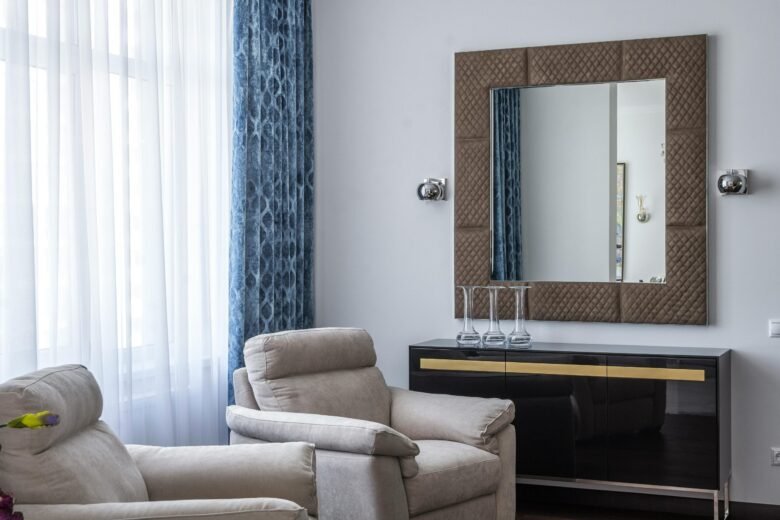
Above key furniture pieces: Placing a mirror above a console table in an entryway, a sideboard in a dining area, or a headboard in a bedroom follows the traditional mirror placement logic, but it requires less cost and commitment.
Avoid reflecting clutter: This rule is often overlooked. Before placing the sticker, stand in the spot where it will go and observe what it will reflect. Messy shelves, a chaotic corner, or an uninspiring view will be reflected and amplified. Select locations that mirror something worth seeing, such as light, greenery, an art piece, or open space.
How to Install Mirror Wall Stickers Properly?
Preparation is what separates a polished result from a frustrating one.
Begin by carefully cleaning the application surface
Dust, grease, and residue all weaken adhesion and may lead to uneven reflection or early peeling. Wiping with a damp cloth, then drying thoroughly, is enough for most painted walls.
Map your layout before committing
Use painter’s tape or light pencil marks to outline your arrangement and step back to evaluate it from across the room. For geometric designs, a small level or laser tool keeps lines crisp and the overall composition visually satisfying.
When applying
Peel the backing slowly and smooth each sticker from the centre outward, working toward the edges to prevent air bubbles from forming beneath it. Most stickers allow repositioning if you catch a misalignment early, work methodically rather than rushing.
In bathrooms or other humid areas, look specifically for waterproof or steam-resistant variants. Standard adhesives can lift or cloud in high-moisture environments.
Design Approaches by Room
The entryway
The entryway is arguably the best room in the home for mirror placement. A cluster of geometric tiles or a bold arrangement above a narrow console table creates an immediate impression, bounces natural light from the door, and makes the space feel welcoming rather than cramped.
Use complementary accessories, such as a small plant, a decorative bowl, and a pendant light, to complete the composition.
Living Room
Mirror stickers work well above fireplaces, behind shelving units, or as a gallery-wall accent alongside framed art. The key is balance; reflective surfaces should enhance the room without making it feel chaotic. If the living room lacks a window, an arched arrangement can mimic the visual openness of architectural fenestration.
Bedroom
Linear strips or a mosaic of small tiles above a headboard enhance light and give the space a boutique-hotel feel. Full arrangements behind a nightstand direct the eye upward, improving vertical perception in rooms with lower ceilings.
Bathroom
Stickers add decorative interest and enhance light. However, they should not substitute a proper grooming mirror; acrylic and thin polymer do not offer the same optical clarity as glass for close-up viewing. A popular method is to arrange round tiles beside a vanity or along a bath wall.
Corridor
A horizontal layout with slender proportions and matching wall lighting turns a narrow, dull hallway into a space that appears deliberate and spacious.
Maintenance and Longevity
Mirror stickers need little maintenance, but adopting a few habits can significantly prolong their lifespan.
Use a soft microfiber cloth regularly to remove dust. For stains or smudges, a diluted mixture of gentle soap and water is effective. Steer clear of glass cleaners and alcohol-based sprays, as they can fog or damage the polymer surface over time, reducing reflectivity.
In busy areas such as hallways, edge-sealing strips help prevent corners from lifting due to frequent brushing. If some tiles start to peel at the edges, most trusted brands offer replacement sections, allowing you to update specific stickers without replacing the whole set.
Safety and Environmental Considerations
For homes with children or pets, specifically seek out shatterproof, flame-retardant options. Unlike glass mirrors, high-quality acrylic-based stickers won’t shatter if knocked, which is especially important in play areas or low-mounted arrangements.
On the environmental side, leading brands now design their adhesives to be low-VOC (volatile organic compound), meaning they do not off-gas in ways that harm indoor air quality. Seek out products that have ASTM or UL certification, or that clearly state compliance with EPA indoor air quality standards, especially if you are buying for a child’s bedroom or a small, poorly ventilated area.
FAQs
Will mirror wall stickers damage painted walls?
High-quality stickers peel easily from most smooth, painted surfaces. Always try a small, hidden spot first and adhere to the manufacturer’s removal guidelines. Satin or eggshell finishes are less likely to be damaged than textured or matte paint coatings.
Can I use them in a bathroom?
Yes, you should select stickers that are specifically rated for humid or steam-prone environments. Standard adhesives may lift or degrade when exposed to persistent moisture. For a primary grooming mirror, glass offers better optical clarity—use stickers mainly as decorative accents rather than replacements.
How long do they last?
Most reputable brands ensure easy removal and reliable adhesion for 6–12 months under normal conditions. With proper surface preparation and suitable maintenance, many users find that they remain in place much longer than that.
Do they look cheap up close?
Here, quality is important. Thicker acrylic tiles with clean edges and consistent reflectivity appear truly appealing when viewed closely. Thin, inferior options display distortion and inexpensive edges. Read reviews, verify certifications, and if possible, request a sample before purchasing a large quantity.
What surfaces work best?
Smooth, clean, painted drywall is perfect. Glass, tile, and metal surfaces are also suitable. Steer clear of walls with heavy textures, unfinished surfaces, or those painted recently (wait at least 30 days for curing before applying).
Are they suitable for a child’s room?
Yes, in fact, they’re often a better choice than glass mirrors in children’s spaces precisely because quality options are shatterproof. Look for non-toxic, flame-retardant certified products and mount them at a height where accidental contact won’t cause injury.