You finally find the perfect apartment. The rent fits your budget, the location is great, and the rooms fill with sunlight. But then you notice the plain beige carpet, basic lighting, and stark white walls.
You want to make the place your own, but you feel nervous. Friends have warned you about landlords keeping deposits over small things, like nail holes or painting without permission.
I know what it’s like when your apartment feels cold and impersonal. It’s normal to worry about losing a deposit, often $1,000 or more.
You can have a nice-looking home and still get your deposit back.
How to Decorate a Rental Without Losing Your Deposit?
Stick to changes you can undo to keep your deposit. Avoid glue, large nails, and painting. Use command strips for art, removable wallpaper, and tension rods for curtains.
Take photos of the apartment before moving in, and keep any original items, such as light covers or cabinet handles. You’ll need to put them back before you move out.
The Landlord’s Mindset: What Actually Counts as “Damage”?
Before decorating, know what landlords look for during move-out. They deduct from your deposit only for real damage, not normal wear and tear.
Wear and Tear: Faded paint, small scuffs from furniture, carpet flattening in high-traffic areas. You cannot be charged for this.
Damage: Holes larger than a tack nail, peeled paint where adhesive was ripped off, missing fixtures, water damage from improperly installed shelves, or unauthorised paint colours.
To keep your deposit, make sure your changes count as wear and tear, not damage.
How to Personalize Your Rental Safely?
Let’s look at each part of your home and focus on changes you can easily undo.
1. Wall Decor
Walls can be stressful. You want to decorate them, but you don’t want to leave lots of holes behind.
The Command Strip Ecosystem
If you want to hang heavy mirrors, big frames, or a gallery wall, 3M Command Strips work well. Just make sure to use them correctly.
The Mistake: Using one small strip for a heavy frame.
The solution: Check the weight rating. For a large mirror (10-20 lbs), use four large strips, one on each corner. Always follow the removal instructions. Pull the tab straight down along the wall, not out. Pulling out can peel the paint.
The Art Ledge Solution
If you have several small frames or vinyl records, try using a floating shelf or picture ledge.
This works because you only need 2 to 4 holes for one shelf instead of 10 holes for 10 frames. It’s easier to patch a couple of holes. You can also swap out your art whenever you want.
2. Walls: Color and Texture
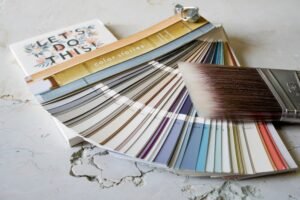
Painting is the main reason renters lose deposits. Even if you repaint it white, if the shade is different from the original, the landlord might charge you for a full repaint.
Removable Wallpaper
Peel-and-stick wallpaper has changed rental decorating.
For us, Peel-and-stick wallpaper has made it much easier to decorate rentals.
Tip: Do not put peel-and-stick wallpaper on cheap, flat paint if your walls are textured. It can stick too well, damaging the wall when you remove it. Command Strips work best on smooth, painted walls, according to HomeProfy.
The Fabric Alternative
For a temporary colour change, try using liquid starch to put fabric on your walls.
Works: Cut fabric to the size of your wall panel. Dip it in liquid starch, wring it out, and smooth it onto the wall. As it dries, the starch hardens, holding the fabric in place. When you move out, you peel the fabric off and wipe the wall down with a damp cloth. The starch washes away completely. It’s an old theatre trick that works wonders for renters.
3. Windows and Lighting
Good lighting and window treatments can make a rental feel more stylish and comfortable.
Tension Rods are Underrated
Most people use tension rods for shower curtains, but they also work for window curtains, especially if your windows are set inside a deep frame.
For a nice look without drilling, use a tension rod for sheer curtains. For blackout curtains, try a ceiling-mounted track with heavy-duty command strips. You can also use no-drill brackets that clamp onto the window frame.
Swapping Light Fixtures
If your rental has unattractive standard light fixtures, you can change them, but be careful.st: Turn off the power at the breaker. Take a photo of the wiring before removing the old fixture.
The Rule: Keep the original light fixture and store it somewhere safe. When you move out, put it back and take your new one with you. As long as you don’t damage the wiring, this is allowed and makes a big difference.
Common Mistakes to Avoid
Even careful renters can make mistakes that cost them their deposits. Here are five common ones to avoid.
Using Cheap Adhesive Hooks
The Problem: Dollar-store adhesive hooks often stop sticking after a few months. When they fall, they can pull off paint or leave sticky marks that collect dust. extra money on 3M Command products. They are engineered for clean removal.
Painting Without Written Permission
The Problem: A verbal “sure” from the maintenance guy doesnThe problem: A verbal “okay” from maintenance isn’t enough. If the landlord forgets, you might have to repaint at your own cost. landlord for the exact paint colour codes they use. If they refuse to let you paint, use the fabric starch or removable wallpaper methods above.
Forgetting the Backsplash
The problem: Peel-and-stick tiles work well, but putting them on drywall behind a stove can be a fire risk. Heat can also melt the glue, making tiles fall and damage the wall.
The fix: Use removable tiles that can handle heat, or put up a sheet of stainless steel or acrylic with command strips for a temporary, easy-to-clean backsplash.
Over-Tightening Fixtures
The Problem: When installing temporary shelves or curtain rods, people crank the screws or tension rods too much, which can dent the window frame or crack the wall.
Check the suspension rod monthly to ensure it hasn’t slipped.
Ignoring the “Patch and Paint” Rule
The problem: Some people think small nail holes are fine, but most landlords charge $10–$20 per hole to fix them, even if some states call them wear and tear.
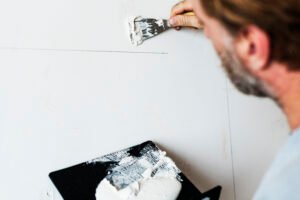
The Fix: Buy a small tub of spackle and a putty knife. Spend 30 minutes before move-out filling holes. Use a damp magic eraser to clean scuff marks. According to LegalClarity, landlords are generally not required to compensate tenants for improvements, and tenants do not automatically gain rights or protections just because they completed the work themselves.
Expert Insights for Renters
The “Landlord Photo” strategy: Before unpacking, record a video walkthrough and describe what you see, like “The wall is white, no holes.” Do the same when you move out. If the landlord claims you caused damage that was already there, you’ll have proof.vidence.
Use area rugs if your rental has carpet. They protect against stains and wear and help define your space. For unattractive vinyl or linoleum floors, try peel-and-stick vinyl tiles, but make sure they’re removable and won’t leave residue.
Hang heavy items like TVs or shelves (over 30 lbs) only on studs. This is allowed, but you’ll need to patch the holes before you leave. Use a stud finder, drill a pilot hole, and later fill the holes with spackle, sand them smooth, and touch up with the original paint.
Adhesive Hooks vs. Nails
When hanging something heavy, pick your method carefully. Here’s a quick guide to help you choose.
| Feature | Command Strips (Adhesive) | Small Nail / Picture Hook |
|---|---|---|
| Best For | Glass frames, mirrors, and lightweight shelves | Canvas art, lightweight frames, heavy items on studs |
| Damage Risk | High if removed incorrectly; can peel paint | Low if patched correctly; creates a small hole |
| Weight Capacity | High (up to 20lbs per set) | Low to Medium (standard nail holds ~5-10lbs) |
| Ease of Removal | Easy if you pull the tab correctly | Requires spackle and a paint match |
| Landlord Preference | Generally preferred if using the 3M brand | Acceptable if patched before move-out |
Verdict: Use Command strips for heavy, delicate items where you can’t afford to patch holes. Use nails for cheap, lightweight art where you are confident in your spackling skills.
Conclusion
There shouldn’t be financial risk when decorating a rental. By shifting your perspective from permanent ownership to temporary personalization, you can create a space that feels like yours and still get your security deposit back.
Remember the basics: get written consent, keep original fixtures, and master the Command strip. Start with tension rods and removable wallpaper in the living room. Once you see how easy it is to undo these changes, you will feel ready to tackle the rest of the house.
FAQs
Can I paint my rental if I promise to paint it back?
Technically, yes, but it’s risky. If you don’t use the exact original colour or if you leave roller marks, the landlord can claim you damaged the paint surface. Always get written permission and ask the landlord for the paint brand and colour code before starting.
Will Command strips rip the paint off my walls?
They can if you remove them incorrectly. Always pull the stretch tab slowly and parallel to the wall (straight down). If you pull the strip away from the wall, you will tear the paint. If paint does peel, you can usually fix it with a small brush of leftover wall paint.
What is the safest way to hang curtains in a rental?
The safest method is to use a tension rod inside the window recess. If that doesn’t work, use “no-drill” brackets that clip onto the window frame moulding. If you must drill, use a stud finder and only drill into the window casing (wood), not the drywall above the window.
How do I hide ugly appliances or dated cabinets?
Use removable contact paper. It is excellent for covering laminate countertops, the front of kitchen islands, or the sides of a refrigerator. For cabinets, ensure the paper is specifically labelled “removable” so it doesn’t leave sticky residue on the wood.
Is it worth it to upgrade light fixtures in a rental?
Yes, if you are handy. It is a major upgrade that improves your quality of life. Just remember to turn off the power, document the wiring with photos, and store the original light fixture safely. According to the Washington State Department of Health, you should restore any original fixtures or fittings before your final inspection.
What do I do if I accidentally damage the wall?
Don’t panic. Most damage is fixable. For small holes, use spackle. For large holes, you can buy a “drywall repair patch” kit at a hardware store for under $10. It’s almost always cheaper to fix it yourself than to let the landlord hire a handyperson at $100/hour.