
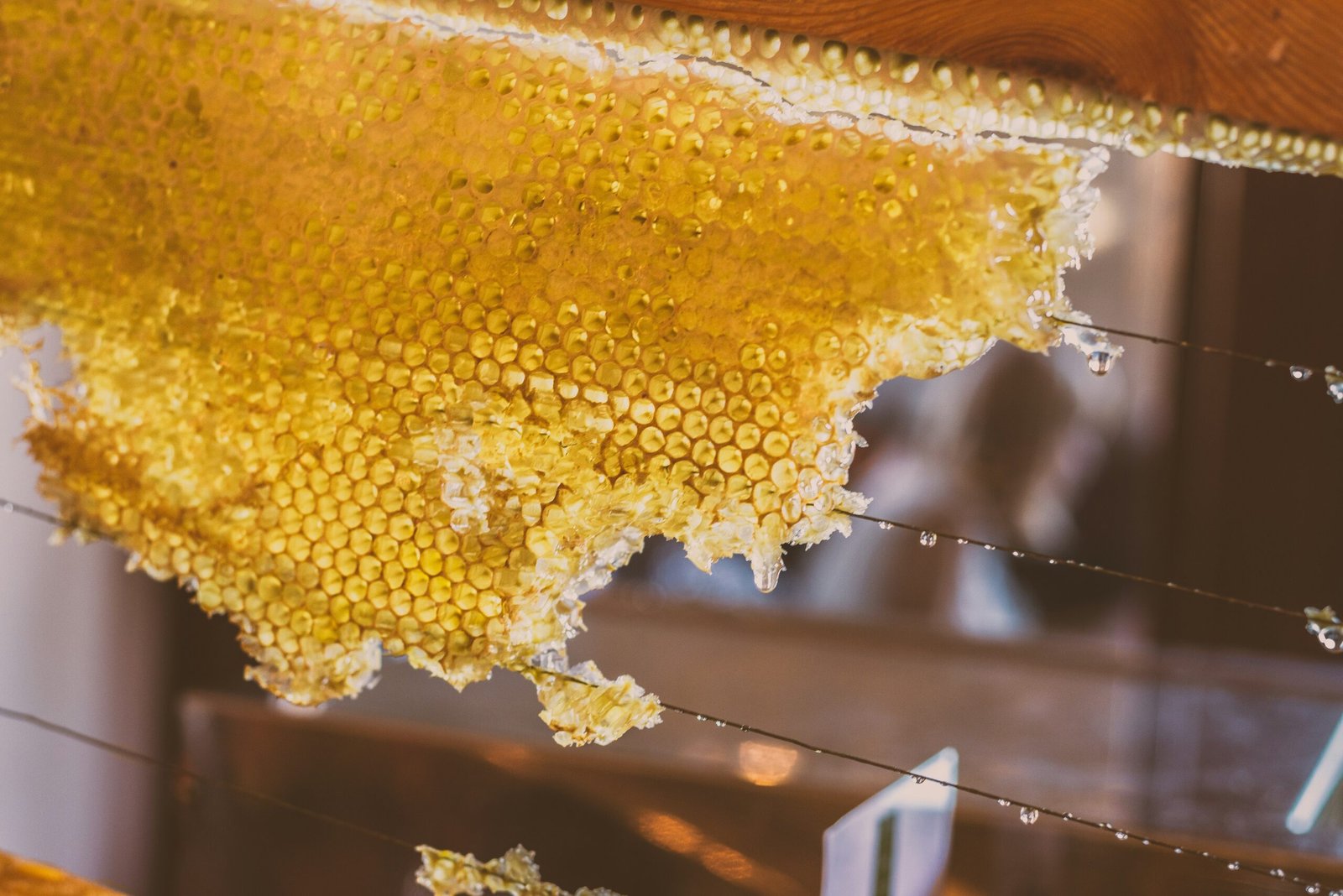
Opening a beehive to find empty supers is a disheartening experience for any beekeeper. You have invested time, money, and care into your colony, yet the frames remain dry. If you are asking, “My hive is not producing honey — why?” there are several biological and environmental factors to consider.
Honey production is the result of a complex alignment of colony health, weather, and local flora. If one of these pillars crumbles, the honey flow stops.
Why Is My Beehive Not Producing Honey?
Several common issues prevent a hive from storing surplus honey. Most often, the problem stems from one of the following:
- Nectar Dearth: A lack of blooming flowers in your local area.
- First-Year Colony: The bees are prioritizing building wax over storing honey.
- Queen Issues: A missing or failing queen reduces the foraging workforce.
- Weather Patterns: High winds, heavy rain, or extreme heat prevent foraging.
- Pest Infestations: Varroa mites or Small Hive Beetles are draining colony energy.
- Poor Hive Space: Giving the bees too much or too little room at the wrong time.
The First-Year Colony Reality
If you started your hive this spring from a package or a nuc, you might not see a honey harvest. This is the most common reason why a hive is not producing honey in its first season.
Building a new colony requires immense energy. Worker bees must secrete beeswax to build the “comb” where the honey will be stored. It takes approximately 8 pounds of honey for bees to produce just 1 pound of wax.
During the first year, your bees are focused on survival. They need to build enough comb to house the queen’s eggs and store enough food for winter. If your colony is new, be patient and focus on their growth rather than your harvest.
Understanding the Nectar Dearth
A nectar dearth is a period when few nectar-producing flowers are in bloom. Even if your garden looks green, it may not be providing the high-calorie food bees need.
Nectar flows are often seasonal. Many regions experience a “June gap” or a late-summer slump in which spring blooms have died off but fall flowers haven’t arrived. Without a steady supply of nectar, the bees will consume their existing stores to survive.
Monitor your local environment for blooming “honey plants” like clover, basswood, or goldenrod. If the landscape looks dry or barren, your bees don’t have the raw materials to make honey. You can check Scientific Beekeeping for detailed data on how forage availability impacts colony weight.
Weather and Environmental Constraints
Bees are highly sensitive to the weather. Foraging is a high-risk activity that requires specific atmospheric conditions.
Extreme Heat and Drought
In very hot weather, nectar inside flowers can dry up or become too thick for bees to collect. Additionally, the colony must divert workers from foraging to “cooling duty.” These bees stay inside the hive, fanning their wings and evaporating water to keep the brood from overheating.
Heavy Rain and Wind
Bees cannot fly effectively in heavy rain or winds exceeding 15-20 mph. If your region has experienced a particularly wet spring, the bees may have been “hive-bound.” During these times, they eat the honey they have already made, leaving the supers empty.
Queen Health and Population Dynamics
The amount of honey a hive produces is directly tied to the number of foraging bees. The queen is the engine of the hive.
If your queen is old or failing, she will lay fewer eggs. This leads to a shrinking population. A hive with 20,000 bees will barely make enough honey to feed itself, while a hive with 60,000 bees can produce a massive surplus.
Check for a “solid” brood pattern. If you see many empty cells among the capped larvae, your queen may be failing. A queenless hive will stop producing honey almost immediately as the workers become disorganized and focus on raising a new leader.
Learn more about queen health and colony biology from the Cornell University Pollinator Health program.
Pests and Diseases: The Silent Productivity Killers
A sick hive is never a productive hive. If your bees are fighting off parasites, they cannot focus on honey storage.
Varroa Mites
Varroa mites are the leading cause of colony decline. These parasites latch onto bees and suck their fat bodies, weakening their immune systems. High mite loads lead to “parasitic mite syndrome,” where the bees become too weak to forage.
Nosema and Brood Diseases
Diseases like Nosema (a gut parasite) or European Foulbrood (EFB) can devastate the workforce. Infected bees often die outside the hive, leaving you with a dwindling population that cannot keep up with the honey flow.
How Hive Management Affects Honey Yield?
Sometimes, the reason your hive isn’t producing honey is due to beekeeping “errors” or timing issues.
Adding Supers Too Early
If you add a honey super (the box where surplus is stored) before the bees have filled the lower boxes, you create too much space for the bees. Bees find it difficult to regulate the temperature in a large, empty box. They may refuse to move up into the super until they feel the bottom area is secure.
The Swarming Factor
If your hive was very strong and suddenly seems empty, it may have swarmed. When a hive swarms, the old queen takes half the workforce to find a new home. This leaves the remaining bees without a laying queen for several weeks, effectively ending your honey season.
Signs of a Healthy Honey Flow
To know if your hive is recovering, look for these “white wax” signs:
- New White Wax: Look at the top of the frames. If you see fresh, snowy-white wax being built, the bees are bringing in nectar.
- Increased Activity: The hive entrance should be busy with bees returning with full “honey stomachs” (they will land heavily on the landing board).
- The Smell: A hive during a heavy flow has a distinct, sweet, and heavy scent that carries on the wind.
Steps to Fix Low Honey Production
If you find that your hive is not producing honey, take these steps to diagnose and solve the problem:
1. Perform a Mite Wash
Test your mite levels using a sugar roll or alcohol wash. If your mite count is high, treat the colony immediately. A healthy hive will always out-produce a sick one.
2. Inspect the Queen
Look for the queen or fresh eggs. If you don’t see eggs (which look like tiny grains of rice), your hive may be queenless. Introducing a new, mated queen can save your season.
3. Supplement Feed (If Necessary)
If there is a nectar dearth, you may need to feed your bees a 1:1 sugar syrup. While this won’t result in harvestable honey (as it’s just sugar water), it keeps the colony strong so they are ready when the real nectar flow returns.
4. Check for Space
Ensure the bees have enough room but aren’t overwhelmed. A good rule of thumb is to add a new box when the current boxes are 70-80% full of bees and comb.
FAQs
How much honey does a hive produce in a year?
A healthy, established hive can produce anywhere from 30 to 100 pounds of surplus honey in a good season. However, this varies wildly based on your local climate and flower density.
Why are my bees not going into the honey super?
Bees often avoid the super if the frames have plastic foundation that hasn’t been properly coated in beeswax. You can encourage them by “painting” some sugar syrup on the foundation or moving a frame of drawn comb from a lower box into the super.
Can I harvest honey in the first year?
It is possible but rare. In most cases, it is better to leave the first year’s honey for the bees to ensure they survive the winter. For more on ethical harvesting, visit the British Beekeepers Association.
Summary
Understanding why your hive is not producing honey is the first step toward becoming a master beekeeper. Whether it is a lack of forage, a struggling queen, or simply the growing pains of a new colony, most honey production issues can be solved with careful observation and timely intervention.
Keep a close eye on your local blooms and the internal health of your hive. By managing pests and ensuring your queen is productive, you create the best possible environment for a record-breaking honey harvest in the future.