
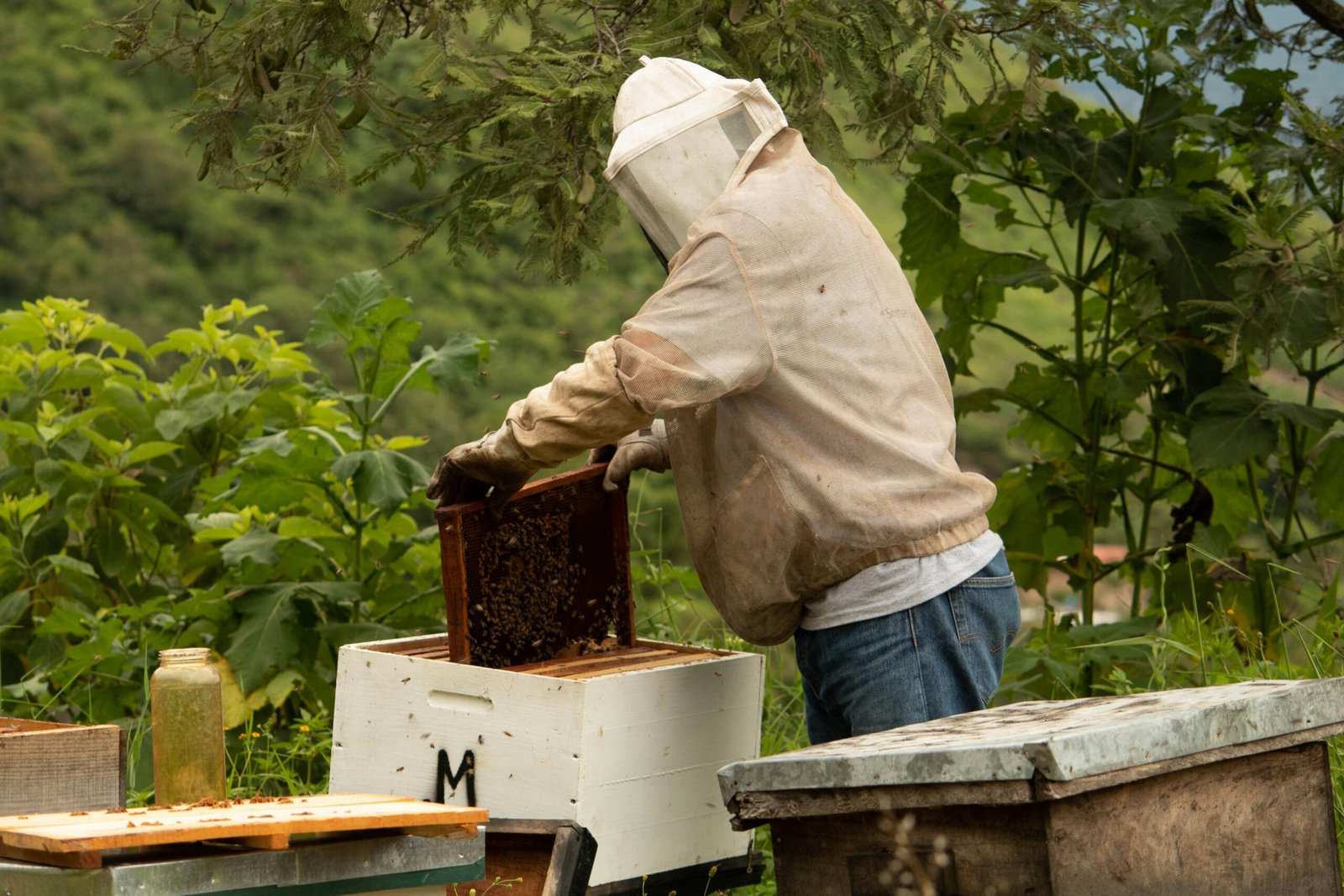
Are your bees failing to fill their honey supers this season? A poor harvest stems from factors like nectar dearth, failing queens, or severe mite infestations.
This low honey production — fix guide provides practical steps to restore your colony’s output. We will examine the root causes of a dry hive and outline exactly how to get your bees back on track.
Beekeeping requires careful observation and swift action when yields drop. A sudden halt in nectar storage means your colony is either starving, sick, or shrinking in population. By addressing these issues early, you can rescue your season.
Why Is My Hive Not Producing Honey?
Hives stop making honey primarily due to a lack of local nectar sources, a condition known as a dearth. Other frequent culprits include excessive swarming, an aging queen, or heavy parasite loads.
When a colony spends all its energy fighting illness or raising replacement queens, foraging completely stops.
- Forager Shortage: A hive needs tens of thousands of older bees to collect nectar.
- Space Restrictions: Bees need empty wax cells to store and cure incoming nectar.
- Poor Weather: Rain washes away nectar, while drought prevents plants from secreting it.
Recognizing the Signs of a Failing Harvest
You must identify the problem before you can apply a solution. Regular hive inspections tell the true story of your colony’s health. Open your boxes every ten to fourteen days during the active spring and summer months.
Look closely at the frames inside the honey supers. Are they completely dry, or do they contain a little uncapped liquid? Dry frames in the middle of summer point to a severe environmental issue or a collapsed workforce. Conversely, if bees are ignoring empty supers, you might have a swarm issue below.
Pay attention to the brood nest located in the bottom boxes. A healthy hive should have a solid, tight pattern of capped worker brood. Spotty brood patterns suggest a failing queen or a disease outbreak.
Common Causes of a Poor Honey Harvest
Weather Disruptions and Nectar Dearth
Even the strongest colonies cannot produce surplus honey if local flora dries up. Plants require specific temperature and moisture levels to produce nectar. A late spring frost can kill vital fruit tree blossoms in a single night.
Summer droughts are equally destructive to your harvest. Without adequate ground moisture, blooming plants stop yielding nectar to conserve water. You can learn more about how climate impacts pollinators through resources like the USDA Bee Research Laboratory.
Prolonged rain is another major obstacle for foragers. Bees will not fly in heavy rain or high winds. Constant storms confine the workforce to the hive, forcing them to eat their stored honey rather than gather more.
Swarming Behavior Weakening the Colony
Swarming is a natural reproductive instinct, but it ruins honey yields. When a hive swarms, the old queen leaves with roughly half the worker population. This massive exit strips the colony of its primary foraging force right before the main nectar flow.
The bees left behind must raise a new queen from scratch. This process takes weeks, during which the colony population continues to drop. By the time the new queen starts laying eggs, the seasonal nectar flow has often ended.
Beekeepers must actively manage space to prevent this natural division. Crowded bees are unhappy bees. If the brood nest feels congested, they will build swarm cells along the bottom of the frames.
Failing Queens and Low Brood Rates
The queen dictates the size of the workforce. An aging or poorly mated queen cannot lay the up to 2,000 eggs a day required to build a massive summer population. Fewer eggs mean fewer adult foragers hatching a month later.
Look for a spotty, uneven brood pattern during your inspections. If you see multiple eggs in a single cell, you might even have laying workers, meaning the hive is entirely queenless. A colony without a strong leader will rapidly decline and produce zero surplus honey.
You should aim to replace queens every one to two years. Some beekeepers let the bees handle requeening naturally, but purchasing a mated queen guarantees a faster recovery. A young, vigorous queen will immediately boost the hive’s morale and population.
Varroa Mites and Hive Diseases
Varroa destructor mites are the biggest threat to modern beekeeping. These parasites feed on the fat bodies of developing bees and adult workers. They also transmit deadly viruses, such as Deformed Wing Virus, which cripples the workforce.
A high mite load drastically shortens the lifespan of your forager bees. Sick bees cannot fly far or carry heavy loads of nectar back to the hive. If you ignore mite management, your colony will eventually collapse entirely.
Other diseases, such as European Foulbrood and Chalkbrood, also weaken the population. A sick hive spends its energy trying to clean out dead larvae rather than storing food. Maintaining strict apiary hygiene is essential for top yields.
Step-by-Step Low Honey Production — Fix Guide
Inspect and Replace the Queen Bee
If your colony is lagging behind others in the same apiary, suspect the queen. Find her and evaluate her movement and appearance. She should look large and active, surrounded by a ring of attentive nurse bees.
If she is missing legs, moving slowly, or laying a spotty pattern, pinch her. Order a new mated queen from a reputable local breeder. Introduce the new queen slowly, using a candy release cage, so the workers accept her pheromones.
Within a few weeks, you should see solid frames of healthy brood. This new generation of workers will eventually become the foragers you need. A fresh queen often turns a struggling hive into a powerhouse.
Implement Effective Swarm Control
Preventing swarms keeps your workforce intact. Start by reversing your deep hive bodies in early spring. This simple maneuver moves the empty bottom box to the top, giving the queen immediate room to lay eggs.
Add your honey supers before the main nectar flow begins. A good rule of thumb is to add a super when the current box is about 70% full of bees. Do not wait for them to cap the honey; they need the physical space immediately.
If a hive is determined to swarm, perform a split. Take frames of brood, bees, and the old queen to create a new, smaller hive. The original hive will feel less crowded and can focus on raising a new queen and storing nectar.
Treat for Varroa Mites Early
Never assume your bees are free of mites. Perform an alcohol wash or a powdered sugar roll every month to check your infestation levels. If you find more than three mites per hundred bees, you must treat the hive immediately.
Choose a treatment appropriate for the current temperature and hive setup. Formic acid products penetrate the wax cappings to kill mites breeding inside the cells. Oxalic acid vapor is an excellent winter treatment when the hive is broodless.
Always follow the manufacturer’s instructions carefully. Some treatments cannot be used while honey supers are on the hive. For more guidance on integrated pest management, consult the Honey Bee Health Coalition.
Enhance Local Forage and Soil Health
If your bees have nowhere to forage, you must improve their environment. If you keep hives on your own property, managing your soil health directly impacts your honey harvest. Nutrient-rich soil supports stronger, more resilient flowering plants that produce heavy, consistent nectar flows.
Consider planting large patches of native wildflowers, clovers, or buckwheat. Cover crops not only suppress weeds but also provide massive pollen and nectar boosts for local pollinators. Blooming trees like linden, black locust, and tulip poplar are heavy nectar producers.
If you live in an urban or highly agricultural area with poor forage, you might need to move your bees. Relocating your apiary to an area with diverse, natural vegetation can drastically improve yields. Always secure permission before moving hives to new properties.
Feeding Strategies During a Nectar Dearth
Sometimes the environment fails your bees. During a severe summer dearth, you must intervene to keep the colony alive. Bees will quickly starve if they have no stored honey and no incoming nectar.
- Thin Syrup: Feed a 1:1 ratio of white sugar and water to simulate a nectar flow.
- Thick Syrup: Feed a 2:1 ratio of sugar to water in the fall to help them build winter weight.
- Pollen Patties: Provide a protein substitute if natural pollen is scarce to maintain brood rearing.
You must never feed sugar syrup while your honey supers are on the hive. The bees will store the syrup in the supers, resulting in fake, adulterated honey. Always remove supers before initiating a feeding program.
Use internal hive feeders to prevent robbing. Weak hives are vulnerable to attacks from stronger neighboring colonies during a dearth. Entrance reducers also help weak hives defend their limited food stores.
Advanced Management Techniques
Equalizing Hive Strength
If you have multiple hives, you can balance their strength to maximize overall production. A weak hive will not produce honey, but a massively strong hive might swarm. Moving resources between them solves both problems.
Take a frame of capped brood from your strongest hive and give it to your weakest one. Ensure you brush off all adult bees before moving the frame so they do not fight. The hatching brood will instantly boost the weak hive’s population.
You can also swap the physical locations of a weak hive and a strong hive during the day. The returning field foragers from the strong hive will enter the weak hive, bolstering its numbers. This technique requires careful observation to ensure the incoming bees do not kill the weak hive’s queen.
Managing Wax Comb
Bees consume roughly eight pounds of honey to produce just one pound of wax. If your bees have to draw out new foundation every year, your honey yields will plummet. Preserving drawn comb is a massive advantage for a beekeeper.
Store your drawn supers carefully over the winter to protect them from wax moths and mice. Freezing the frames for 48 hours kills pest eggs before storage. When the spring flow hits, placing a drawn comb directly on the hive allows bees to store nectar immediately.
Cull old, black brood comb every few years. Old combs harbor disease and environmental toxins. Rotating in fresh frames keeps the colony healthy, even if it briefly slows down production.
Preparing Hives for the Winter
Next year’s honey harvest begins this fall. A colony must survive the winter with a robust population to exploit the early spring blooms. Winter preparation is non-negotiable for serious beekeepers.
Leave at least 60 to 80 pounds of capped honey in the hive for the bees to eat over winter. Do not get greedy; harvest only what you need. If they are light on stores, feed them thick syrup until they reach their target weight.
Ensure the hive is properly ventilated to prevent moisture buildup. Condensation dripping on the winter cluster will freeze and kill the bees. A healthy, dry winter cluster will emerge strong and ready to forage aggressively in the spring.
Summary
Managing an apiary requires constant adaptation to environmental challenges. Implementing this low-honey-production fix guide will help you diagnose issues quickly and restore your colony’s health. By closely monitoring queen performance, preventing swarms, and managing pests, you guarantee a stronger workforce.
Always prioritize the bees’ health over the size of the harvest. A healthy hive will eventually produce a massive surplus when the conditions align. Use the steps outlined here to improve your apiary practices, support your local ecosystem, and enjoy a successful honey harvest next season.