
Beekeepers can increase honey production naturally by providing abundant nectar sources, maintaining healthy colonies, ensuring proper hive spacing, and timing management practices with seasonal flower blooms. The most effective methods focus on colony health, diverse flowering plants within a 2-mile radius, and strategic hive placement in sunny, wind-protected locations.
What Makes Colonies Produce More Honey Naturally?
Strong, healthy bee colonies with young queens produce the most honey. A productive colony needs 40,000-60,000 worker bees during peak season, adequate brood space, and minimal stress from diseases or pests.
Key factors for high-producing colonies:
• Queen age: Replace queens every 2-3 years for maximum egg-laying.
• Population size: Maintain large worker populations during nectar flows.
• Brood pattern: Look for solid, consistent brood patterns indicating queen health.
• Disease management: Use natural treatments for varroa mites and nosema.
• Adequate space: Add honey supers before existing ones are 70% full.
Choose this approach if your colonies consistently have small populations or poor brood patterns. Weak colonies rarely produce surplus honey, regardless of available nectar sources.
How to Create the Best Nectar Sources for Natural Honey Production?
Diverse flowering plants within a 2-mile radius provide the foundation for increased honey production naturally. Bees need continuous nectar sources from early spring through late fall to build strong populations and store surplus honey.
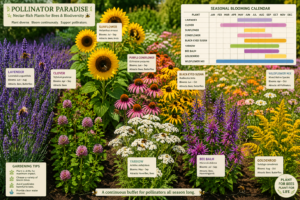
Essential nectar plants by season:
Spring (March-May):
- Fruit trees (apple, cherry, plum).
- Maple and willow trees.
- Dandelions and early wildflowers.
Summer (June-August):
- Clover (white and red varieties).
- Basswood and locust trees.
- Wildflower meadows.
Fall (September-October):
- Asters and goldenrod.
- Late-blooming herbs (oregano, thyme).
- Sunflowers and cosmos.
Plant at least 3-5 different species that bloom simultaneously. A single acre of clover can support 2-3 hives during peak bloom. Avoid areas treated with pesticides, which can kill foraging bees or contaminate honey stores.
Where Should You Place Hives to Increase Honey Production Naturally?
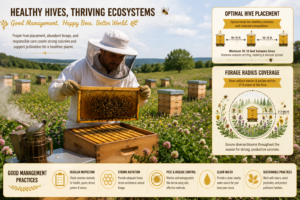
Hive placement directly affects honey production through sun exposure, wind protection, and proximity to nectar sources. Optimal locations receive morning sun, afternoon shade, and protection from prevailing winds.
Ideal hive placement criteria:
• Sun exposure: 6-8 hours of morning sunlight daily.
• Wind protection: Natural or artificial windbreaks on north/west sides.
• Water access: Clean water source within 1-2 miles.
• Nectar radius: Abundant flowers within a 2-mile foraging range.
• Spacing: 10-15 feet between hives to reduce drifting.
• Accessibility: Easy access for regular inspections and management.
Position hive entrances facing southeast to catch the early morning sun. Bees become active earlier in sunny locations, extending daily foraging time by 1-2 hours. Avoid low-lying areas where cold air settles or locations with excessive foot traffic.
When to Add Supers and Manage Space for Maximum Production
Timing super additions correctly prevents swarming and maximizes honey storage space. Add supers when existing ones are 70% full, typically 7-10 days before peak nectar flows begin.
Super management timeline:
- Early spring: Add the first super when 6-7 frames contain brood.
- Pre-nectar flow: Place supers 1 week before major blooms start.
- Peak season: Check weekly and add supers as needed.
- Late season: Remove partially filled supers to concentrate honey.
Use queen excluders to keep the brood out of honey supers. This ensures a pure honey harvest and prevents queen cells in the upper boxes. Remove supers when nectar flow ends to help bees cluster properly for winter.
Common mistake: Adding supers too late causes overcrowding and triggers swarming instincts, reducing total honey production by 30-50%.
Natural Methods to Keep Colonies Healthy and Productive
Healthy colonies resist diseases naturally and focus energy on honey production rather than fighting infections. Preventive management reduces stress and maintains strong populations throughout the season.
Natural health management practices:
- Varroa control: Use screened bottom boards and drone comb removal.
- Ventilation: Ensure adequate airflow to prevent moisture buildup.
- Nutrition: Provide pollen substitutes during dearth periods.
- Cleanliness: Replace old, dark comb every 3-4 years.
- Monitoring: Inspect colonies every 2-3 weeks during active season.
Feed sugar syrup (1:1 ratio) only when natural nectar is unavailable. Overfeeding during nectar flows dilutes honey and increases moisture content. Stop feeding 4-6 weeks before the honey harvest to ensure pure honey production.
How Much Honey Can You Expect from Natural Production Methods?
Honey yields vary significantly based on local conditions, colony strength, and nectar availability. Established colonies in good locations typically produce 30-80 pounds of surplus honey annually.
Expected production ranges:
- First-year hives: 0-30 pounds (focus on colony establishment).
- Second-year hives: 30-60 pounds (peak production begins).
- Mature colonies: 60-100+ pounds (optimal conditions).
- Poor nectar years: 0-20 pounds (drought or weather issues).
Track production records to identify your area’s peak nectar flows and average yields. This data helps plan super additions and harvest timing for maximum natural honey production.
Leave 40-60 pounds of honey for winter survival in northern climates, or 20-30 pounds in southern regions. Taking too much honey weakens colonies and reduces next year’s production potential.
Final Thoughts
Increasing honey production naturally requires a comprehensive approach focusing on colony health, abundant nectar sources, and proper management timing. The most successful beekeepers prioritize strong colonies with young queens, plant diverse flowering species that bloom throughout the season, and position hives in optimal locations with morning sun and wind protection.
Start by assessing your current colony strength and local nectar sources. Plant additional flowering trees and wildflowers this fall for next season’s bloom. Monitor your colonies regularly and add supers before overcrowding occurs. With consistent application of these natural methods, most beekeepers see significant production increases within 1-2 seasons while maintaining healthy, sustainable colonies.
FAQ
How long does it take to increase honey production naturally?
Most improvements show results within one season, but significant increases typically occur in the second year as colonies mature and planted nectar sources establish.
What’s the most important factor for natural honey production?
Colony health and strength matter most. A healthy colony with 50,000+ bees will out-produce weak colonies regardless of available nectar sources.
Can you increase production without adding chemicals?
Yes, natural methods like proper nutrition, disease prevention, optimal hive placement, and diverse nectar sources effectively increase honey yields without synthetic treatments.
How many flowering plants do bees need nearby?
Bees require continuous blooms within a 2-mile radius. Plant at least 10-15 different species with staggered bloom times to support natural honey production.
When should you harvest honey for maximum production?
Harvest when honey supers are 80% capped, typically after major nectar flows end. Leave adequate winter stores and harvest multiple times per season if nectar flows allow.
Do organic methods produce less honey than conventional?
Organic methods can match or exceed conventional yields when properly implemented. Healthy soil and diverse plantings often support stronger, more productive colonies.
How much space do bees need to forage effectively?
Bees forage within a 2-mile radius but prefer nectar sources within 1 mile. Closer sources require less energy and allow more time for honey production.
What weather conditions best support natural honey production?
Warm, sunny days with light winds and adequate rainfall promote nectar secretion. Consistent temperatures between 70-85°F optimize both plant nectar production and bee activity.
Can you increase production in urban areas?
Urban beekeeping can be highly productive due to diverse flowering trees, gardens, and longer bloom seasons. Focus on rooftop placement and community garden partnerships.
How do you know if your natural methods are working?
Monitor colony population growth, brood patterns, honey stores, and annual production records. Healthy colonies show steady population increases and consistent honey surplus.