
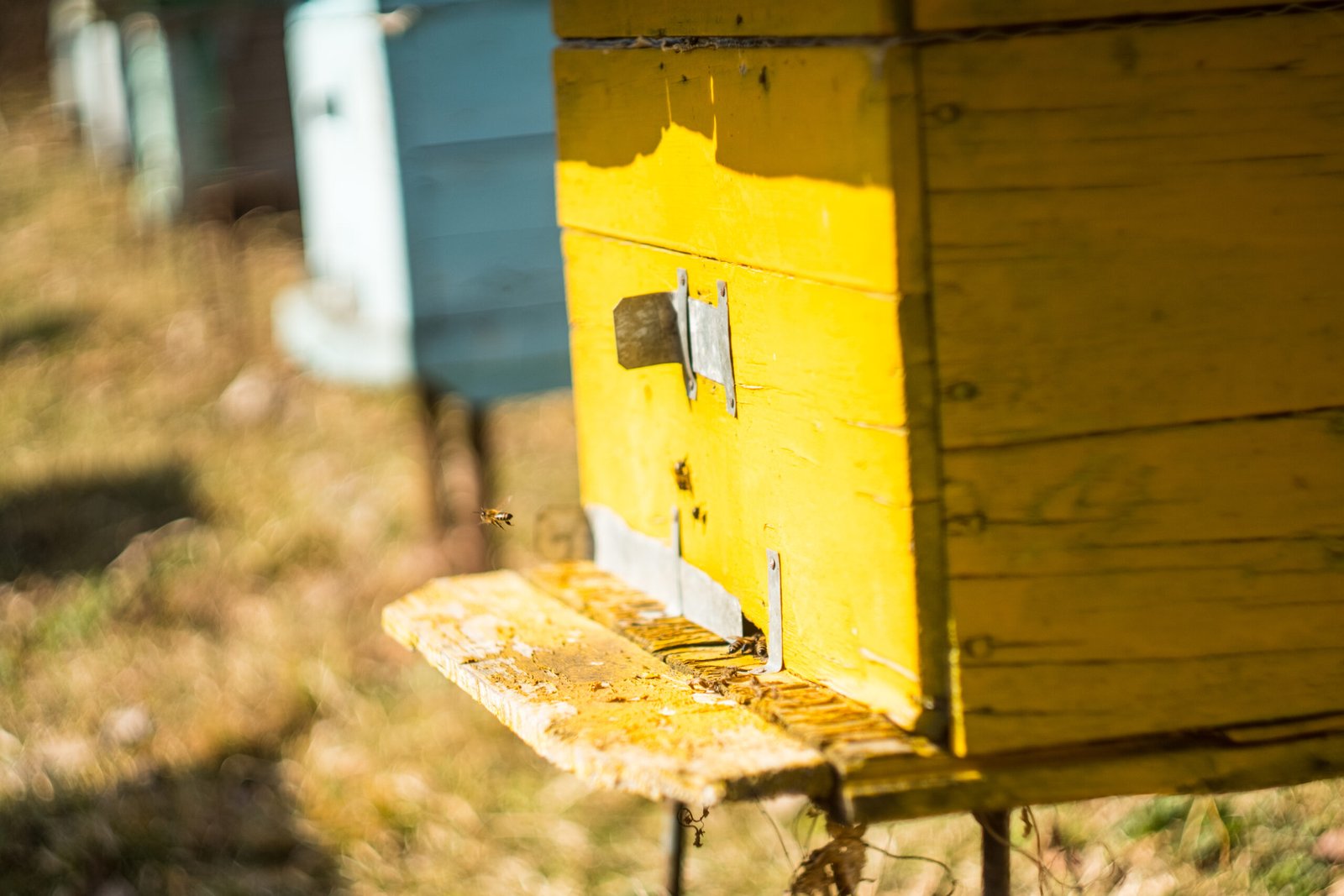
Starting an apiary does not require a massive initial investment. You can easily build a healthy, productive hive by making smart purchasing decisions and utilizing DIY methods. This cheap beekeeping setup guide provides exact steps to minimize your initial costs.
You will learn what essential gear to prioritize, where to find discounted equipment, and how to acquire your first colony of bees for free. Building your first apiary is entirely possible on a strict budget. You need a practical approach to sourcing materials.
What is the Minimum Gear Needed for Beekeeping?
Many beginners waste money on unnecessary tools during their first year. You only need a few core items to manage a colony safely. Stick to this basic checklist to keep your initial costs as low as possible.
Essential Budget Beekeeping Checklist:
- One complete hive system: Bottom board, brood boxes, frames, and an outer cover.
- Protective clothing: A dedicated bee veil and thick, light-colored clothing.
- A bee smoker: Essential for calming the colony during inspections.
- A hive tool: A specialized metal pry bar for opening boxes and lifting frames.
- Protective gloves: Thick rubber or leather gloves that cover the wrists.
You do not need honey extraction equipment, queen-rearing tools, or expensive ventilated suits in your first year. Your primary focus should be on keeping the bees alive and letting them build wax.
Choosing an Inexpensive Bee Hive
The physical hive is usually the largest upfront expense. Commercial woodenware is expensive due to shipping weight and assembly labor. You have several budget-friendly alternatives to buying fully assembled kits.
The Top Bar Hive Approach
A Kenyan Top Bar Hive is widely considered the cheapest hive style to build yourself. Unlike standard Langstroth hives, top bar hives do not require expensive wooden frames or wax foundations.
- The bees build their comb naturally, descending from simple wooden bars laid across the top of a trough.
- You can build a functional top-bar hive out of untreated scrap lumber for under $40.
- This design eliminates the need for heavy lifting, as you inspect each comb horizontally one at a time.
Building DIY Langstroth Hives
If you prefer the industry standard, you can build your own Langstroth hives using basic woodworking tools. Pine wood is cheap and readily available at local hardware stores.
- Download free dimensional hive plans online.
- Cut the boxes and bottom boards from standard 1×12 pine boards.
- To save even more, you can build exclusively “medium” boxes. This standardizes your equipment and allows you to buy lumber in bulk.
Sourcing Used Woodenware
Buying used equipment from retiring beekeepers is a fantastic way to save money. Check local classified ads, Facebook Marketplace, and forums run by your state beekeeping association.
However, you must proceed with caution when buying used wooden boxes. Bee diseases, particularly American Foulbrood, can live in the wood for decades. The USDA Agricultural Research Service recommends scorching the inside of all used wooden boxes with a propane torch until the wood turns slightly black. This simple sterilization process kills lingering spores, making the equipment safe for your new colony.
Budget-Friendly Protective Gear
Proper protective gear prevents painful stings, but you do not need a $200 ventilated bee suit. You can achieve the same level of protection by combining a few cheap items.
How to build a cheap bee suit:
- Buy a standalone veil: Purchase a basic folding veil that sits over a wide-brimmed hat. These usually cost less than $20 online.
- Use thrift store layers: Go to a local thrift store and buy an oversized, light-colored, long-sleeve button-down shirt. Bees are aggressive toward dark colors.
- Seal the gaps: Wear thick painter’s jeans. Tuck your pant legs into thick socks and secure them with rubber bands.
- Repurpose hardware store gloves: Instead of buying specialized goatskin bee gloves, use heavy-duty dishwashing gloves or leatherwork gloves. Wrap duct tape around the cuffs to stop bees from crawling up your sleeves.
How to Get Bees Without Spending a Fortune?
A package of bees or a nucleus colony (a “nuc”) can cost between $150 and $250. This is a massive barrier for budget-minded individuals. Fortunately, you can populate your hive without spending a dime.
Catching Wild Swarms
In the spring, established colonies naturally reproduce by swarming. Half the colony leaves the original hive with the old queen to find a new home. You can catch these free bees by setting up a bait hive, also known as a swarm trap.
- Build a simple wooden box with a volume of exactly 40 liters. This is the optimal size that scout bees look for.
- Cut a small entrance hole near the bottom.
- Place a few drops of lemongrass essential oil inside on a cotton swab. Lemongrass mimics the queen’s orientation pheromone.
- Secure the trap to a tree about 10 to 15 feet off the ground in early spring.
Check the trap weekly. Once a swarm moves in, wait until nightfall when all foragers return, seal the entrance, and transport them to your permanent hive setup.
Registering on Swarm Catching Lists
Local municipalities and fire departments frequently receive calls from homeowners who are panicked about a cluster of bees in their yards. You can register your name and phone number with local authorities or your county extension office as a willing swarm removal contact.
When you get a call, take a cardboard box to the property. Knock the cluster of bees into the box, tape it shut, and drive them home. This is a mutually beneficial service that provides you with entirely free, locally adapted bees.
Tools You Can Improvise
Beekeeping catalogs are full of specialized gadgets. You can easily replicate the function of these tools with items you already have around the house or can source cheaply.
Improvised Hive Tool: A hive tool is strictly for prying apart boxes sealed with propolis and lifting frames. A sturdy, wide-blade painter’s putty knife from a hardware store works the same way. It costs a fraction of the price of a stamped beekeeping tool.
Free Smoker Fuel. You must have a specialized metal bee smoker, but you should never pay for commercial smoker fuel. Burlap sacks, compressed wood pellets, or commercial cotton rolls are an unnecessary expense.
- Gather dry pine needles from your yard.
- Collect dry, chemical-free grass clippings.
- Use dried sumac berries or old, untreated egg cartons.
These natural materials ignite quickly and produce the cool, dense smoke needed to mask alarm pheromones during hive inspections.
Alternative Bee Brushes: Beekeepers occasionally need to gently brush bees off a frame. Commercial bee brushes feature soft bristles to prevent injury to the insects. Instead of buying one, pick a handful of long, soft grass or use a clean, large feather. A cheap drafting brush from an art supply store also serves as a perfect substitute.
Feeding Your Bees on a Budget
New colonies often need supplemental feeding to draw out wax comb quickly. Commercial hive feeders and specialized pollen patties can add up. You can feed your bees effectively using household items.
The Zip-Top Bag Feeder Method
The cheapest way to feed sugar syrup to your bees is the baggie method. You do not need to buy expensive entrance feeders or internal frame feeders.
- Mix a 1:1 ratio of white granulated sugar and water by weight. Never use brown or raw sugar, as it can cause dysentery in bees.
- Pour the syrup into a generic gallon-sized zip-top plastic bag.
- Lay the sealed bag flat directly on top of the inner cover hole or right on top of the frames.
- Use a razor blade to cut two or three tiny slits in the top of the bag.
The bees will walk on the plastic and drink the syrup through the slits without drowning. This method costs pennies and works brilliantly.
Managing Your Apiary Costs Over Time
Keeping your costs low is an ongoing process. As your colony grows and survives the winter, you will need to plan for expansion and potential honey harvesting.
Propagating Your Own Queens
Buying new queens to split hives or replace failing queens costs $35 to $50 each. Learning basic queen-rearing techniques can make you self-sufficient.
By taking a frame of young eggs from your best hive and placing it into a small, queenless mating nuc, the worker bees will naturally raise an emergency replacement. This simple “walk-away split” technique doubles your apiary size and provides fresh genetics with zero financial outlay.
Honey Extraction on a Budget
If your bees produce surplus honey, do not rush out to buy a $300 stainless steel centrifugal extractor. The “crush and strain” method is the traditional, budget-friendly way to harvest your crop.
You will need two food-grade plastic buckets and a fine mesh paint strainer bag. Cut the honeycomb entirely out of the wooden frame. Place the comb into the bucket and mash it thoroughly with a potato masher. Pour the mashed wax and honey mixture through the strainer bag into the second bucket.
Gravity will pull the pure honey through the mesh over 24 hours, leaving the beeswax behind. You can then render the leftover beeswax in a solar melter to make candles or lip balm for additional income. Check out resources from the Penn State Extension for safe food-handling practices when bottling your harvest.
Conclusion
Successfully keeping bees does not require you to empty your wallet. By understanding what equipment is strictly necessary and what can be improvised, you can dramatically lower your barrier to entry. Building your own woodenware, using repurposed clothing for protection, and catching wild swarms are the best ways to keep your expenses near zero.
Focus entirely on the insects’ biology rather than the gear. With patience, resourcefulness, and this cheap beekeeping setup guide, you can establish a thriving, productive apiary that provides joy and honey for years to come.