
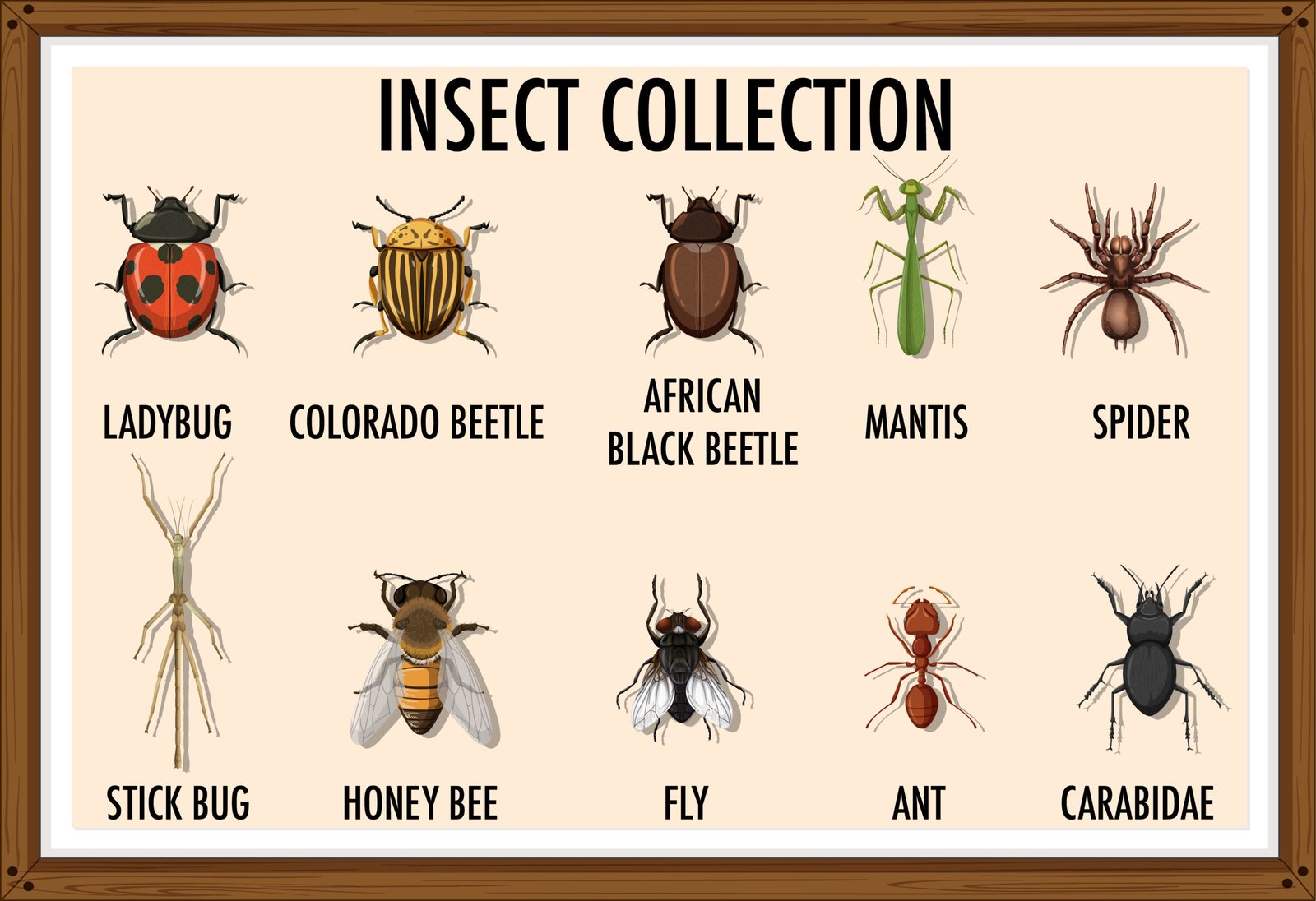
Selecting the perfect insects for your backyard or farm is a foundational step for any aspiring apiarist. Choosing the right bee species depends entirely on your specific goals, whether you want a high honey yield, gentle garden companions, or efficient fruit tree pollination. If you pick a species that doesn’t match your local climate or your comfort level, you might face challenges like colony loss or aggressive behavior.
The decision involves weighing factors like winter hardiness, disease resistance, and reproductive rates. This guide breaks down the most common options to ensure your beekeeping journey starts on solid ground. We focus on providing actionable insights that help you build a thriving, sustainable environment for these essential pollinators.
Why does choosing the right bee species matter?
Every bee variety has a distinct personality and biological clock. Some thrive in cold, damp northern climates, while others require consistent heat to remain productive. If you live in an area with long winters, choosing a species that consumes its winter stores slowly is vital for survival.
Furthermore, your personal goals dictate the species. A commercial keeper focused on profit will prioritize honey-producing powerhouses. Meanwhile, a home gardener might prefer solitary, non-stinging varieties that focus solely on flower fertilization. Understanding these nuances prevents future frustration and ensures the health of your local ecosystem.
Most Popular Honey Bee Species for Beginners
When people think of beekeeping, they usually picture the Western Honey Bee (Apis mellifera). Within this category, several subspecies offer different advantages.
1. Italian Honey Bees (Apis mellifera ligustica)
The Italian bee is the most popular choice globally. They are known for their light color and relatively gentle nature. Most beginners start here because they are easy to source and handle.
- Pros: High honey production, low tendency to swarm, and they build up their colony quickly in the spring.
- Cons: They have a high “robber” instinct, meaning they may steal honey from weaker hives. They also tend to keep a large brood throughout the winter, which can lead to starvation if they run out of food.
- Best For: Warm climates with long nectar flows.
2. Carniolan Honey Bees (Apis mellifera carnica)
Originating in Central Europe, Carniolans are favorites among many experienced keepers. They are exceptionally dark and very docile.
- Pros: Excellent at surviving cold winters and very fast to increase their numbers in early spring. They are more likely to stay in the hive during rainy weather compared to Italians.
- Cons: They have a high tendency to swarm. This means they might split the colony and leave if they feel too crowded.
- Best For: Northern regions with short, intense flowering seasons.
3. Caucasian Honey Bees (Apis mellifera caucasia)
These bees come from the high mountains of the Caucasus. They are known for having the longest tongues of all honey bees, allowing them to reach nectar in deep flowers that others cannot.
- Pros: They are extremely calm and use a lot of propolis (bee glue), which can help with hive hygiene and insulation.
- Cons: The heavy use of propolis can make it difficult for the beekeeper to move frames during inspections. They also build up more slowly in the spring.
- Best For: Areas with specific forage, such as red clover.
Comparison of Common Honey Bee Traits
| Feature | Italian Bees | Carniolan Bees | Caucasian Bees |
|---|---|---|---|
| Temperament | Very Gentle | Most Docile | Calm |
| Honey Yield | Excellent | Very Good | Moderate |
| Wintering | Fair | Excellent | Good |
| Spring Buildup | Medium | Rapid | Slow |
| Swarming | Low | High | Moderate |
How Do You Choose the Right Bee Species for Your Climate?
Selecting a bee that is biologically adapted to your local weather is the best way to ensure colony longevity. Here is a step-by-step approach to making that choice:
- Assess Your Winter Length: If your winters last more than 5 months, consider Carniolan or Russian bees. These species naturally reduce their population in the fall to conserve food.
- Evaluate Rainfall: Some bees, like the Caucasian variety, are more willing to forage in light rain or overcast conditions.
- Monitor Summer Heat: Italian bees are heat-tolerant and will continue to work during high-temperature spells that might cause other species to batten down outside the hive.
- Check Local Stock: Buying “locally adapted” bees is often better than a specific breed. These bees have already survived several seasons in your specific microclimate.
For more detailed scientific data on bee adaptability, you can visit the Honey Bee Health Coalition.
Best Bee Species for Native Pollination and Gardening
Not everyone wants to harvest honey. If your goal is to double your vegetable harvest or save a local wildflower population, solitary bees are often a better choice. They are significantly more efficient at pollination than honey bees.
Orchard Mason Bees (Osmia lignaria)
Mason bees are the “superstars” of the spring garden. They are blue-black and do not live in hives. Instead, they nest in small holes in wood or reeds.
- Pollination Power: Just two or three female Mason bees can pollinate an entire mature fruit tree.
- Gentleness: They are incredibly docile and rarely sting, making them safe for households with children or pets.
- Management: They require very little work. You provide a “bee house” and some mud for them to seal their nests.
Leafcutter Bees (Megachile rotundata)
While Masons handle the spring, Leafcutters take over in the summer. They use pieces of leaves to build their nests.
- Efficiency: They are the primary pollinators for alfalfa and many summer vegetables.
- Habitat: Similar to Masons, they are solitary and enjoy pre-drilled holes or nesting tubes.
- Trusted Resource: The Xerces Society provides excellent guides on how to support these native species.
Temperament and Management: Which Bees Are the Friendliest?
Safety is a primary concern for many backyard beekeepers. While all bees can sting, some are much less likely to do so.
- The Gentle Leaders: Carniolans are widely considered the “sweetest” honey bees. They rarely react aggressively when the hive is opened.
- The Protective Types: Russian bees and certain hybrid strains (like the “Killer Bee” or Africanized hybrids found in some southern regions) are much more defensive. They will chase a perceived threat for longer distances.
- Managing Aggression: Regardless of the species, your handling technique matters. Always move slowly, use a smoker to calm the bees, and avoid wearing dark, fuzzy clothing that might resemble a predator, like a bear.
Honey Production vs. Pollination Goals
Before choosing the right bee species, you must define what “success” looks like for your project.
If You Want Honey
The Italian and Buckfast hybrids are the gold standard. They have been bred for centuries to maximize nectar collection. A healthy Italian colony can produce over 60 pounds of surplus honey in a good year. You will need to invest in extraction equipment, such as a centrifuge, jars, and filters.
If You Want a Better Garden
Native bees are the clear winners. Honey bees are “messy” eaters; they often focus on one type of flower and carry pollen back to the hive. Native solitary bees move quickly between different plants, spreading more pollen as they go. They also work in colder temperatures than honey bees.
Understanding Hybrid and Specialized Strains
Modern science has allowed breeders to create “designer” bees that solve specific problems.
- Buckfast Bees: Developed by Brother Adam in the UK, these are a mix of many subspecies. They are highly resistant to tracheal mites and are excellent honey producers.
- VSH Bees (Varroa Sensitive Hygiene): These bees have been bred to detect and remove the Varroa mite, a parasite that kills millions of colonies annually. Selecting VSH queens can significantly reduce your need for chemical treatments.
- Russian Honey Bees: These were imported by the USDA-ARS specifically because they evolved alongside Varroa mites and have a natural resistance to them.
Environmental and Legal Considerations
Before you order your first bee package, research your local environment and laws.
- Local Ordinances: Many cities have rules about how many hives you can have and how far they must be from property lines.
- Forage Availability: Ensure you have enough flowers within a two-mile radius to support the species you choose. Italian bees, for instance, need a massive amount of nectar to stay healthy.
- Native Species Protection: In some areas, introducing non-native honey bees can compete with endangered native bees. Researching local conservation efforts can help you make a responsible choice.
Step-by-Step Guide to Purchasing Your First Bees
Once you have finished choosing the right bee species, you need to acquire them. There are three main ways to do this:
- Package Bees: A box containing 3 pounds of bees and a queen. They are easy to install but have no established honeycomb.
- Nuc (Nucleus Colony): A mini-hive with five frames of established wax, honey, and brood (baby bees). It gives the colony a “head start” and is usually the most successful method for beginners.
- Swarm Catching: For the adventurous. You can find wild swarms and relocate them. However, you won’t know the genetics or temperament of the bees until they are settled.
Common Mistakes When Selecting a Bee Variety
Even with the best intentions, new keepers often make these errors:
- Ignoring the Local Environment: Buying a “warm-weather” queen when you live in a snowy climate is a recipe for disaster.
- Over-Focusing on Honey: Beginners often choose the most productive bee, but then find the colony too aggressive or difficult to manage.
- Neglecting Disease Resistance: Don’t just look for honey yields. Look for “Mite-Biters” or “Hygiene” traits to keep your bees alive without heavy medication.
For further reading on bee biology and management, Scientific Beekeeping offers data-driven advice for all levels.
Final Thoughts on Choosing the Right Bee Species
Success in beekeeping is not a matter of luck; it is a matter of preparation. By choosing the right bee species for your specific geography and personal goals, you set yourself up for a rewarding experience. Whether you choose the hardworking Italian bee for a pantry full of honey or the gentle Mason bee for a vibrant garden, your contribution to the environment is invaluable.
Always prioritize the health of the colony over total honey yield. A happy, healthy hive is much more sustainable and easier to manage in the long run. Start small, observe your bees closely, and don’t be afraid to adjust your strategy as you learn the unique rhythms of your local ecosystem.