You’ve seen the stunning transformations on Instagram. The bold patterns, the accent walls, the instant gratification. But now you’re standing in your living room, looking at the wall, and a knot forms in your stomach.
“If I spend my weekend putting this up, will it peel off next month when the humidity spikes? Will my rental deposit disappear because the adhesive damages the paint?”
If you are a budget-conscious decorator, these fears are completely valid. You don’t want to waste money on a temporary solution that becomes a permanent headache. The market is flooded with cheap options, and separating the durable from the disposable feels impossible.
The Lifespan Reality Check
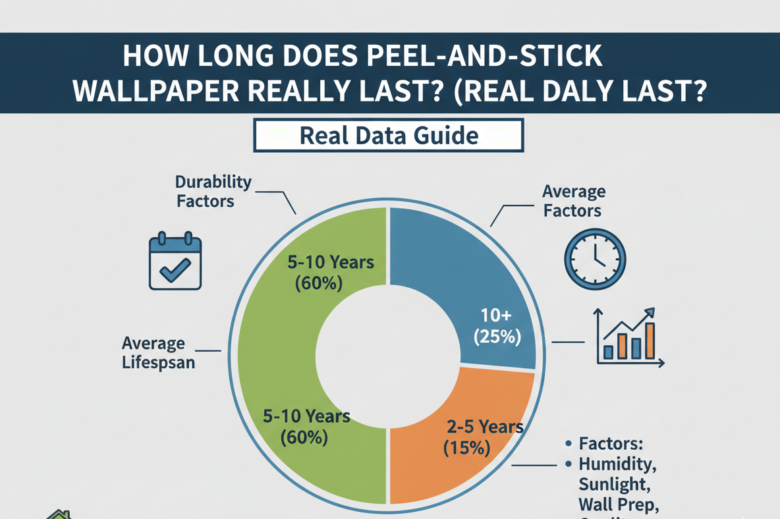
In ideal conditions, meaning smooth, primed walls, stable humidity (40-60%), and quality vinyl—peel-and-stick wallpaper lasts between 3 and 7 years. High-end brands like Tempaper or WallsNeedLove frequently last 5 to 8 years in bedrooms and living rooms.
However, in high-humidity environments like bathrooms or kitchens without proper prep, the lifespan drops dramatically to 6 months to 2 years.
Main Guide: The 4 Pillars of Longevity
To understand how long peel-and-stick wallpaper really lasts in your home, you have to look beyond the brand name. You need to look at four specific factors: the wall surface, the environment, the material quality, and the installation technique.
1. The Wall Surface: The Foundation is Everything
Peel-and-stick wallpaper is essentially a giant sticker. If you try to stick a piece of tape to a dusty, bumpy, or porous surface, it fails. The same logic applies here.
The Best Surface: Smooth, painted drywall with a satin or eggshell finish. These surfaces allow the adhesive to form a strong molecular bond without soaking in.
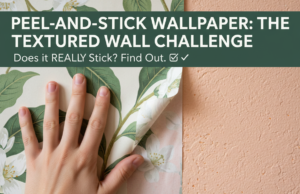
The Risky Surface: Orange peel texture, knockdown texture, or fresh matte paint.
Why it fails: The adhesive only touches the “peaks” of the texture, leaving “valleys” of air. This leads to premature lifting at the seams.
The Pro Tip: If you have textured walls, you must apply a liner paper first. This adds to the cost, but it turns a 6-month project into a 5-year investment.
2. Humidity and Temperature: The Silent Killers
Data from adhesive manufacturers shows that humidity is the number one cause of premature failure. Adhesives are sensitive to moisture.
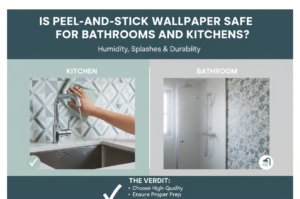
Bathrooms: Even if the wallpaper claims to be “moisture resistant,” steam will break down the acrylic adhesive over time. If you must use it in a bathroom, keep it away from the direct shower spray and use a high-power exhaust fan.
Kitchens: Grease residue combined with heat from the stove creates a film that loosens adhesive bonds.
Exterior Walls: If your wall insulation is poor, temperature fluctuations cause the wall to expand and contract. The wallpaper doesn’t expand at the same rate, causing seams to pull apart.
3. Material Quality: Vinyl vs. Paper
Not all peel-and-stick is created equal. The material composition dictates the ceiling of its lifespan.
| Material Type | Composition | Average Lifespan | Best Use Case |
|---|---|---|---|
| Vinyl (High Quality) | 100% vinyl or vinyl-coated fabric | 5–8 Years | High-traffic areas, rentals, kids’ rooms. It is scrubbable and tears less easily. |
| Non-Woven (Fabric) | Natural fibers (wood pulp/cotton) + polyester | 3–5 Years | Bedrooms, accent walls. It is breathable (less mold risk) but less durable against scrubbing. |
| Polyester (Low Quality) | Thin plastic with weak adhesive | 6–12 Months | Avoid. Often found on Amazon for $10/roll. Loses adhesion quickly and often damages paint upon removal. |
4. Installation: The Overlap Myth
One of the biggest factors affecting how long peel-and-stick wallpaper really lasts is how you hang it.
Many first-timers overlap the seams to avoid seeing the wall color underneath. This is a fatal error.
- The Problem: Overlapping creates a raised ridge that traps dust and moisture. That ridge eventually curls up like a scab.
- The Solution: You must butt join the seams (edges touching perfectly, but not overlapping). Use a seam roller (a cheap rubber tool) to press the edges down firmly immediately after hanging.
Common Mistakes to Avoid
Even if you buy the most expensive wallpaper on the market, these five mistakes will make it fail within months.
1. Skipping the Wall Prep (The “It Looks Clean” Trap) You wipe the wall with a dry cloth and think it’s fine. Wrong. Walls accumulate invisible grime, dust, and oils.
- Fix: Wash walls with a mild solution of dish soap and water. Rinse. Let dry for 24 hours. For kitchens, wipe down with rubbing alcohol to remove grease residue, specifically in the areas where seams will land.
2. Installing in High Humidity Without Curing You install the wallpaper, and three hours later, you take a hot shower. The steam reactivates the adhesive before it has fully set.
- Fix: Allow the wallpaper to “cure” for 24–48 hours before exposing it to drastic humidity changes.
3. Ignoring the Arrow on the Roll Peel-and-stick wallpaper often has a directional arrow or a specific batch number orientation.
- Why it matters: If you install one roll upside down, the slight variations in dye lot become glaringly obvious, leading you to rip it off in frustration—not because it failed, but because it looked bad.
4. Using the Wrong Tool to Smooth. Using your bare hands pushes the air out, but it also transfers skin oils to the adhesive edge.
- Fix: Always use a plastic smoothing tool. Finish with a seam roller for edges.
5. Painting Over It to “Seal” It. This is a desperate move to fix peeling edges, but it usually backfires. Paint makes the wallpaper brittle, and if you ever try to remove it, you’ll end up gouging the drywall.
Pro Tips / Expert Insights
Here is what professional installers know that the average DIYer doesn’t.
- The “Steam” Removal Trick: If you are worried about removal damaging the walls (a common fear for renters), know that high-quality removable vinyl is designed to come off cleanly. To extend removability (and thus the stress-free lifespan), apply a primer like Zinsser Gardz first. This seals the drywall so the adhesive never bonds to the paper layer of the drywall, only to the primer.
- The Magnet Test: Not sure if your wall texture is too rough? Run a refrigerator magnet over it. If the magnet catches on the bumps, the texture is too high. You need a liner.
- Temperature Matters: Adhesive is temperature-sensitive. If you try to install peel-and-stick when the room temperature is below 50°F (10°C), the adhesive becomes brittle and won’t bond properly, even if the room warms up later.
High-End vs. Budget Brands
To help you budget effectively, here is a comparison of what you actually get for your money regarding lifespan.
| Feature | Premium Brands (e.g., Tempaper, Chasing Paper) | Budget Brands (e.g., Generic Amazon, Big Box Store) |
|---|---|---|
| Material | Thick vinyl or fabric-based; usually 10-12 mils thick | Thin polyester; usually 5-7 mils thick |
| Adhesive | “Repositionable” but strong; leaves no residue | Often “permanent” or fails quickly; may leave glue behind |
| Lifespan | 5–8 years | 6 months – 2 years |
| Removal | Peels off in full sheets; wall-safe | Tears into shreds; often requires a heat gun and adhesive remover |
| Cost per Roll | $50 – $80 | $10 – $30 |
The Verdict: If you need the wallpaper to last through a 2-year rental lease, cheap wallpaper might survive. However, if you own your home or want to stay in a rental for 3+ years, the premium brand is actually cheaper per year of enjoyment.
Real-Life Scenario: The Rental Kitchen Dilemma
The Person: Sarah, a renter in New York City.
The Problem: She wanted to cover dated backsplash tiles in her rental kitchen. She was terrified of losing her security deposit and worried that the steam from cooking would make the wallpaper fall within weeks.
The Solution: Instead of cheap Amazon vinyl, Sarah chose a high-end, repositionable vinyl specifically marketed for “renters.”
- Prep: She cleaned the tiles with rubbing alcohol (crucial for glossy surfaces).
- Install: She used a seam roller to ensure the edges adhered firmly to the grout lines.
- The Result: After 3 years of heavy cooking, the wallpaper remained fully adhered. When she moved out, she used a hair dryer to warm the edges and peeled it off without damaging the original tile. The landlord didn’t deduct a penny from her deposit.
Key Takeaway: The lifespan of the wallpaper matched the lifespan of her lease because she matched the product quality to her usage needs.
FAQs
Can I put peel-and-stick wallpaper in a bathroom?
Yes, but only if it is specifically labeled “removable” and “moisture-resistant.” Avoid placing it directly in the shower splash zone. To maximize lifespan, ensure the bathroom has a vent fan and run it during showers. Expect a lifespan of 2–3 years instead of 5+.
Will peel-and-stick wallpaper damage my walls?
High-quality, removable vinyl (like the brands listed above) will not damage walls if installed on properly primed or painted walls. The risk comes from cheap adhesive that “permanently” bonds or from ripping it off the drywall without using heat to soften the glue.
How do I know when it’s time to replace it?
You don’t need to wait for it to fall off. Signs of end-of-life include:
- Seam curl: The edges of the strips are lifting, and re-rolling doesn’t fix it.
- Yellowing: The vinyl is degrading from UV exposure.
- Bubbles that won’t disappear: If you pop a bubble and it immediately returns, the adhesive has failed.
- Shrinkage: You see a gap of wall color at the seams.
Can I reuse peel-and-stick wallpaper?
Generally, no. Once it is removed, the adhesive layer stretches and collects dust. Reusing it usually results in bubbles and failure within weeks. Consider it a one-time-use product for optimal results.
Is there a way to “reset” the adhesive on peeling edges?
Yes, but only temporarily. If a corner lifts, use a hair dryer to heat the adhesive and the wall surface, then press it down firmly with a seam roller. If it lifts again after 24 hours, the adhesive is dead, and the only fix is to use a small amount of permanent adhesive (like wallpaper seam adhesive) to glue it down—though this makes future removal harder.
How does temperature affect lifespan?
Extreme heat (over 100°F) can cause the vinyl to soften and slide, leading to ripples. Extreme cold makes the adhesive brittle. If you have a “sunroom” that gets intense afternoon sun, expect the lifespan to drop by roughly 50% compared to a north-facing bedroom.
Conclusion
So, how long does peel-and-stick wallpaper really last? The honest answer is: It depends entirely on you.
You can have a $20 roll fail in 3 months, or a $60 roll last through a presidential term. The secret isn’t magic; it’s surface preparation, seam rolling, and environmental control. If you invest time in cleaning your walls correctly and use a quality brand designed for your specific room, you can confidently enjoy your design for 5 to 8 years without a single bubble or peel.