Your walls are the biggest canvas in your home, yet they are often neglected. Theme wall stickers provide a quick, cost-effective, and damage-free method to add personality, atmosphere, and significance to any space.
However, with numerous choices available, how can you select a theme that truly fits?
1. Begin with the Room’s Purpose
Before browsing design catalogues, consider: what should the atmosphere of this room be?
Every space serves a purpose, and the theme you select should complement it:
- Bedrooms and nurseries thrive with softer, calming themes, featuring nature scenes, trees, animals, and gentle typography that foster warmth without visual clutter. Pastel colour schemes enhance relaxation.
- Living rooms and hallways are ideal spaces for statement pieces that ignite conversation, showcase striking cultural art, feature travel-inspired designs, or display typography that reflects your values.
- Kids’ rooms are where imagination takes centre stage. Include children in the selection process. Stars, adventure themes, cartoon characters, and fairytale motifs all fit wonderfully in this space.
- Home offices require clarity and motivation. Quote decals, mission statements, or chalkboard-style stickers help keep the space both functional and inspiring.
- Kitchens and bathrooms are frequently overlooked, but smaller, playful stickers, food-related prints, nature-inspired scenes, or coastal imagery can transform these areas without cluttering.
Matching the theme to the room’s purpose is the most crucial step to ensuring wall stickers appear cohesive rather than random.
2. Understand the Different Types of Wall Stickers
Not all wall stickers are the same.
Understanding the various types helps you make more informed decisions:
Vinyl wall stickers are highly versatile. They are durable, simple to apply and remove, and come in a wide variety of designs, from minimalist line art to large murals. These stickers work well on smooth surfaces and are suitable for most rooms.
Die-cut vinyl decals are shaped exactly like the design, with no visible background film. They blend seamlessly into the wall, making them ideal for typography and graphic displays.
Fabric wall stickers offer a gentler alternative that won’t harm walls and can be moved around easily. They are ideal for renters or those who enjoy updating their decor seasonally.
3D wall stickers introduce tangible depth and texture. Geometric patterns, abstract designs, and architectural details can transform a flat wall into a lively feature.
Chalkboard and whiteboard stickers are both useful and decorative. They transform any wall into a writable surface, making them ideal for home offices, kitchens, or kids’ playrooms.
Glow-in-the-dark stickers have both visual appeal and practical use, especially in children’s rooms or areas with low lighting.
3. Select a Theme and Stick to It
Consistency transforms a space from appearing randomly decorated to feeling intentionally designed. After choosing a direction, embrace it fully.
Below are some of the most common theme options and their strengths:
| Theme | Best Rooms | Mood Created |
|---|---|---|
| Nature & botanicals | Bedroom, bathroom, living room | Calm, grounded, organic |
| Geometric & abstract | Home office, living room | Modern, structured, creative |
| Typography & quotes | Office, hallway, kitchen | Motivational, personal, expressive |
| Coastal & nautical | Bathroom, kids’ room | Relaxed, playful, fresh |
| Cultural & travel | Living room, hallway | Bold, conversational, worldly |
| Animals & fantasy | Kids’ room, nursery | Playful, imaginative, warm |
| Minimalist & line art | Bedroom, studio | Clean, uncluttered, sophisticated |
Staying consistent within a theme doesn’t mean every sticker has to match exactly; it means they should all feel like they belong to the same visual family.
4. Assess Your Space Before You Buy
Size and placement can make or break a wall sticker installation. A small decal can disappear on a large feature wall; an oversized design might overwhelm a compact room.
Before purchasing, measure your wall. Note the height, width, and any interruptions, such as windows, doors, switches, or furniture, that might affect placement.
As a general rule:
- Large walls are suitable for large or grouped designs that visually anchor the space.
- Smaller or narrow walls are enhanced by scaled-down pieces that add interest without cluttering.
- Decals placed above furniture, such as beds, sofas, or desks, usually look best when positioned 15–30 cm above the piece’s top.
- The typical height for hanging wall art is 145–150 cm from the floor to the centre of the artwork, which also serves as a helpful guideline for sticker placement.
Also consider the ceiling height. In rooms with high ceilings, vertically oriented designs can draw the eye upward, making the space feel even more spacious.
5. Get Colour Coordination Right
Colour is the most immediate way a wall sticker communicates mood, and it’s also the most common area where people go wrong.
Your sticker should either complement or deliberately contrast your existing wall colour.
Both approaches work, but they create different effects.
- Complementary colours (close to the wall tone) create a subtle, sophisticated tonal, layered look.
- Contrasting colours make the sticker pop boldly, graphically, and immediately eye-catching.
Beyond wall colour, consider your furniture, rugs, and soft furnishings.
A decal that echoes an accent colour already present in cushions or curtains will feel intentional rather than added as an afterthought.
Some colour-mood associations worth keeping in mind:
- Blues and greens → calm, restful, focused.
- Warm neutrals and earth tones → grounded, cosy, inviting.
- Yellows and oranges → energetic, cheerful, stimulating.
- Deep jewel tones → dramatic, sophisticated, bold.
If you’re uncertain, black-and-white designs are almost universally versatile and work in nearly any room.
6. Match the Theme to Your Personal Style
Your home should feel like you, not a showroom.
The theme you choose should reflect your genuine personality and the atmosphere you want to live in every day.
Some useful questions to guide your decision:
- Do you prefer clean lines and minimal clutter, or layered, eclectic spaces full of texture?
- Are you drawn to nature, architecture, culture, or abstract art?
- Is the room meant to be calm and restful, or energetic and expressive?
- Will this space be shared with others (children, a partner, guests), and does the theme need to work for everyone?
There is no wrong answer, but being intentional about it ensures the result feels authentic rather than generic.
7. Consider Surface Suitability and Safety
Even the most attractive sticker will not stick properly if the surface is not suitable. Wall stickers stick best to smooth, clean, and dry surfaces. Surfaces that are textured, rough, or freshly painted (less than 30 days old) may lead to adhesion issues, bubbling, or premature peeling.
Before applying:
- Clean the wall with a damp cloth and let it dry completely.
- Ensure the surface is smooth and free of grease or dust.
- Review the product specifications, as some stickers are made for glass, tiles, or particular materials.
For children’s rooms and nurseries, always verify that the materials are non-toxic and do not contain harmful substances such as lead, phthalates, or VOCs. This information should be clearly indicated on the product packaging or description.
8. Make It Personal With Custom Designs
When you can’t find exactly what you’re looking for, go custom.
Personalised wall stickers featuring names, meaningful quotes, dates, or bespoke illustrations allow you to create something unique to your space and story.
Custom decals are particularly powerful in:
- Children’s rooms: a child’s name above their bed or reading nook.
- Home offices: your personal motto or a quote that keeps you focused.
- Living rooms: a lyric, phrase, or family value displayed as a feature wall.
Conclusion
The correct theme wall sticker does more than fill an empty wall; it establishes the atmosphere for everything that occurs in that room. Take your time, trust your instincts, and choose something that truly reflects how you want to feel in the space.
FAQs
Can wall stickers be removed without damaging the wall?
Most contemporary vinyl and fabric wall stickers are designed to be easily removable without leaving residue or causing paint damage, as long as they are removed gently and the surface is properly prepared. Always peel them off slowly and at a gentle angle. If any residue stays, applying a small amount of rubbing alcohol with a soft cloth typically takes care of it.
How long do wall stickers typically last?
High-quality vinyl stickers can last 5–7 years indoors under normal conditions. Exposure to direct sunlight, humidity (e.g., in bathrooms), or rough surfaces can reduce longevity. Always check the product’s specifications for environment-specific guidance.
Can I use wall stickers in a rental property?
Yes, removable wall stickers are among the most renter-friendly decorating options available. Always choose specifically labelled “removable” or “repositionable” products, and test a small area first if you’re concerned about your wall’s paint type.
What’s the best way to apply a large wall sticker without bubbles?
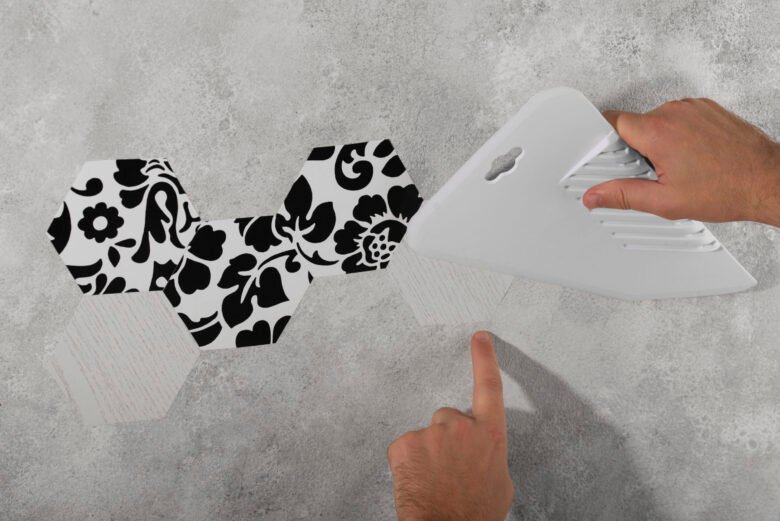
Begin at one corner and gently press the sticker onto the wall with a flat squeegee or credit card, gradually peeling off the backing. Proceed carefully and systematically to prevent air bubbles from forming underneath.
How do I choose between one large statement sticker and multiple smaller ones?
A single large sticker functions best as a focal point in a room above a bed, sofa, or fireplace. Several smaller stickers are ideal for spaces where you aim to create a gallery-style display or gradually fill a larger area. Combining different sizes enhances visual depth and creates a sense of movement.