Your bathroom deserves more than just white walls and a fresh coat of paint. It’s one of the most private spaces in your home, a place of daily relaxation, and its design can even influence your mood.
Today, bathroom makeovers don’t require expensive renovations, tedious glue, or professional installation. Self-adhesive wallpaper has become the ideal, durable, and tried-and-tested choice for bathrooms, with a wider variety of designs than ever before.
Why is self-adhesive wallpaper suitable for bathrooms?
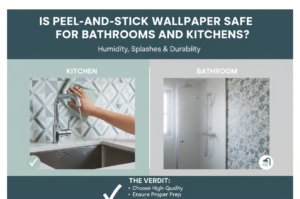
The bathroom environment is humid, making it difficult for traditional wallpaper to adhere firmly. However, modern self-adhesive wallpaper is specifically designed to address this challenge effectively.
High-quality wallpaper is made with an impermeable vinyl base. This prevents steam, moisture, and water splashes from penetrating the material, ensuring strong adhesion.
This is precisely why self-adhesive wallpaper is so popular in bathrooms:
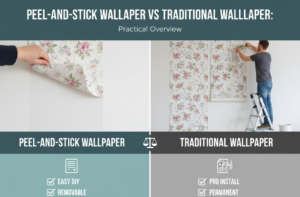
No glue needed, no mess. Traditional wallpaper requires soaking, pasting, and precise timing. Self-adhesive wallpaper eliminates all these hassles, making it a truly feasible DIY project that can be done alone with just a few tools.
Repositioning is possible during application. Unlike wallpaper that requires adhesive, self-adhesive wallpaper can be removed and repositioned multiple times before it fully cures. This is especially useful in small bathrooms, where narrow corners and fixtures make precise application difficult.
It leaves no residue after removal. If you want to change the style or live in a rental apartment, self-adhesive wallpaper can be easily removed without damaging the walls or leaving any adhesive residue.
An affordable renovation solution. Even covering an entire bathroom with high-quality self-adhesive wallpaper costs only a fraction of what it would cost to re-tile or professionally paint. It delivers a stunning visual effect at an economical price.
Durable and washable. The moisture-resistant formula withstands splashes, condensation, and temperature fluctuations during showers. Most wallpapers can be easily wiped clean without leaving any streaks.
Best Self-Adhesive Wallpapers for the Bathroom
Choosing the right wallpaper design isn’t just about aesthetics; it shapes the atmosphere of your bathroom morning and night. Here are some of the most popular styles, each suitable for different tastes and bathroom types.
1. Vintage Tile Texture Wallpaper
Tile texture wallpaper perfectly replicates the texture of classic bathroom surfaces such as terrazzo, mosaic, and ceramic tiles, without the need for grout lines.
This style blends seamlessly with a variety of interior design styles, from vintage-inspired spaces to modern minimalist bathrooms seeking a striking and expressive look. It’s especially suitable as a backdrop for vanities or behind the bathtub.
Choose a pattern that mimics the texture and depth of real ceramic tiles. The best wallpapers have subtle variations in light and shadow, creating a sense of depth even on smooth surfaces.
2. Marble Texture Wallpaper
Marble texture wallpaper offers a luxurious decorative effect at a much lower price than natural stone. It offers a rich selection of colors: classic white and gray textures, warm gold and cream tones, striking black-and-gold, and soft pinks—each creating a uniquely luxurious atmosphere for the room.
This style is particularly suitable for walls around the bathtub, behind bathroom mirrors, and next to the shower. Because of its natural, flowing, and irregular patterns, aligning the seams is easier than with geometric or repeating patterns. Therefore, this is a good option for those trying wallpaper for the first time.
3. Ocean Theme Design
Bathrooms and water elements are a perfect match. Ocean-themed wallpapers—such as watercolor waves, marine life, deep-sea scenes, and coastal landscapes—create a relaxing spa atmosphere and transform a functional space into a tranquil haven.
Styles range from realistic depictions (such as detailed illustrations of jellyfish, seahorses, and coral reefs) to abstract patterns (such as flowing blue gradients, turquoise, and navy blue alcohol ink paintings). The latter is especially suitable for smaller bathrooms, as bold patterns can appear overly complex.
4. Abstract and Modern Art Prints
Abstract wallpapers add an artistic and urban feel to bathroom designs. Brushstroke patterns, ink paintings, and geometric shapes are particularly suitable for bathroom walls, creating a rich visual experience without adhering to a specific theme. (To be determined.)
The selection is very extensive: from striking, high-contrast designs to soft, neutral abstract patterns that can be subtly integrated into the overall room design. In bathrooms lacking natural light, abstract patterns in light and warm tones can significantly brighten the space.
5. Texture and Industrial Style
Wallpaper with concrete, rust, and wood-grain effects can give bathroom walls a tactile quality that paint cannot. These patterns are especially suitable for modern or industrial-style bathrooms, adding depth and personality without the need for real materials, thus avoiding the heaviness and expense of materials.
Soft gray concrete-textured wallpaper is particularly versatile. It pairs perfectly with brushed metal fittings, floating vanities, and minimalist tiles, creating a visually pleasing effect regardless of bathroom size.
6. Botanical and Nature-Themed Patterns
Lush plant patterns, tropical foliage, buds, cranes and birds, and watercolor flowers can add a natural warmth to bathroom walls. These designs are especially suitable for guest bathrooms, as they can accommodate bolder, more expressive styles.
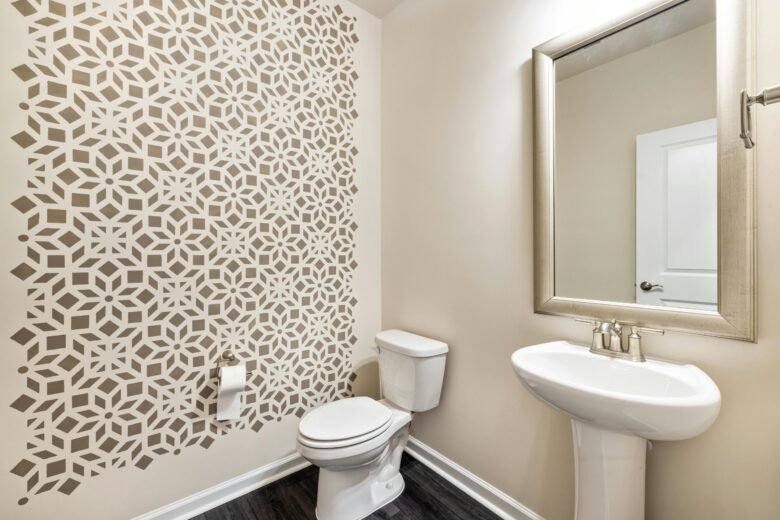
A large botanical print on a single wall (such as behind the toilet, opposite the vanity, or behind the bathtub) can completely transform an ordinary bathroom, without covering the entire wall. When choosing a pattern, be sure to consider whether its colors coordinate with your existing bathroom fixtures or towels.
How to Choose the Right Wallpaper for Your Bathroom?
Not all self-adhesive wallpapers are equally suitable for bathrooms.
Here are some factors to consider before buying:
Vinyl or vinyl-coated material
This is the most important factor. Vinyl is naturally moisture-resistant and more durable than paper wallpaper. If the material isn’t clearly stated on the product, always ask; otherwise, don’t buy it.
Moisture and steam resistance rating
Wallpapers designed specifically for bathrooms usually indicate their moisture or steam resistance. This is especially important in poorly ventilated bathrooms or those with lots of steam from showers.
Ease of cleaning
Choose wallpaper that can be wiped clean with a damp cloth. Toothpaste splatters, soap scum, and water stains are unavoidable in the bathroom.
Pattern repetition
Every patterned wallpaper has a repeating pattern. Knowing this before buying will help you calculate the actual amount of material you need and minimize waste when cutting.
The relationship between color, size, and room size. Small bathrooms can handle bold patterns; they can even be an advantage, creating what designers sometimes call the “jewelry box effect,” making the wallpaper the room’s visual focal point.
Deep tones create a warm, private atmosphere; bright, cheerful patterns can make a room appear larger, especially in rooms with insufficient natural light.
Tips for Achieving Professional Wallpaper Results
Perfectly applying self-adhesive wallpaper in the bathroom requires preparation and patience. Here are the most important steps:
1. Thoroughly prepare the wall
Fill all holes and dents with filler and sand the surface smooth. Self-adhesive wallpaper will adhere to uneven surfaces, so some imperfections and gaps may appear. The wall doesn’t need to be perfect, but it should be roughly flat and clean.
2. Check the level before you begin.
Bathroom ceilings and adjacent walls are often not perfectly level. Before applying the first strip of wallpaper, use a level to draw a vertical line. Using a corner as a reference line, even a slightly tilted corner, can cause each strip of wallpaper to be misaligned.
3. Gradually peel off the protective film, not all at once
Peel down the wallpaper, removing about 30 to 60 centimeters of backing paper at a time. If you peel off the entire backing paper at once, the wallpaper will stick to everything you can reach—including your hands—before you can adjust its position.
4. Smooth the wallpaper from the center outwards
Using a wallpaper scraper or flat scraper, smooth the wallpaper diagonally from the center of the strip towards the edge, squeezing out any air bubbles. If larger air bubbles remain, carefully lift the affected area and smooth it again.
5. Don’t worry too much about perfectly aligned seams
Wallpaper stretches slightly during application. From a normal viewing distance, perfectly aligned seams are difficult to notice and usually unnecessary; smaller seam gaps are generally more aesthetically pleasing. Focus on eye level; you can be slightly more relaxed near the ceiling and floor.
6. Secure the corners with scissors
At the inside corners where two walls meet, make small cuts at the top edge of the wallpaper before wrapping it. This releases tension, allowing the wallpaper to adhere smoothly to both walls.
7. Pre-cut the wallpaper around the fasteners
Before applying wallpaper near door frames or electrical outlets, cut the wallpaper a few centimeters larger than the actual size. Then, after application, use a utility knife (such as a scalpel) to precisely trim it, as this makes it easier to control. Do not use scissors, as they are not precise enough. Use a sharp blade for cutting.
8. Cover the outlet cover with the remaining wallpaper
Remove the outlet cover, apply a piece of wallpaper of the same size on top, cut an opening with a utility knife, and then reinstall the outlet cover. This way, the outlet cover is almost invisible, enhancing the overall aesthetic.
9. Apply in sections, avoiding obstacles
Behind the toilet tank or around the sink, you don’t need to use a whole roll of wallpaper. Cut the wallpaper where the seams are inconspicuous and then apply it in two sections. If you cut along the pattern rather than a horizontal line, the seams will be less noticeable.
How long will the wallpaper last?
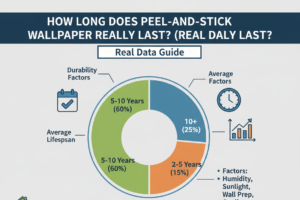
If installed properly and using high-quality products, self-adhesive wallpaper can last for many years in a well-ventilated bathroom. The most important factors are the product’s moisture resistance, whether it comes into direct contact with water (it’s not recommended to apply wallpaper directly to the shower without an additional waterproof layer), and the condition of the wall.
In guest bathrooms and smaller bathrooms with lower humidity, wallpaper typically lasts longer than in bathrooms where you shower daily. Good ventilation, such as using an exhaust fan during and after showering, can significantly extend the lifespan of bathroom wallpaper.
Popular Design Combinations
If you’re unsure where to start, these combinations are always popular:
- White marble wallpaper + brushed gold hardware + white subway tiles: Classic, luxurious, and harmonious.
- Navy blue nautical pattern + brass hardware + wood elements: Elegant yet sophisticated coastal style.
- Grey concrete texture + matte black fixtures + floating wooden vanity: A touch of warmth within a modern industrial style.
- Delicate botanical pattern + white wood paneling + rattan mirror: Relaxed and natural, especially suitable for guest bathrooms.
- Bold abstract brushstrokes + minimalist bathroom fixtures + neutral-colored towels: an artful design featuring wallpaper as the main element.
Conclusion
Self-adhesive wallpaper has become one of the most practical and effective ways to decorate a bathroom. Whether you are a renter who cannot permanently change the walls, a homeowner looking for an affordable renovation solution, or someone who wants to change the style every few years, self-adhesive wallpaper is a practical solution. It created a dramatic effect and lived up to expectations.
The key is to choose the right product, find a design that fits the space and creates the ideal atmosphere, and take the time to have it installed by professionals.