
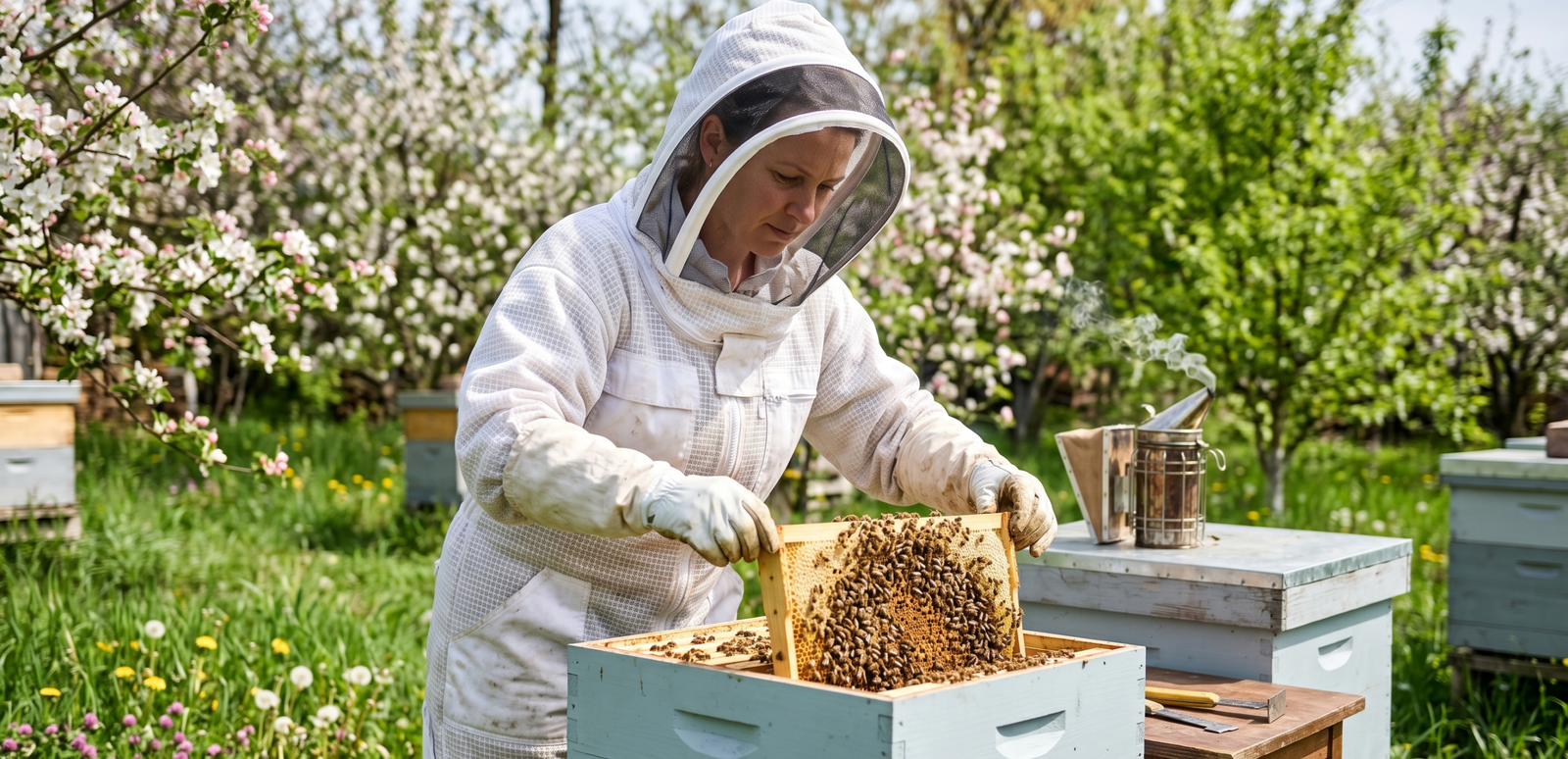
The most effective time to start beekeeping is in the early spring, generally between late March and early May. This window allows new colonies to establish themselves during the peak nectar flow, ensuring they have enough time to build a honeycomb and gather food for the winter. Starting during this period aligns your hive’s growth with the natural blooming cycles of local flora.
While you install the bees in the spring, the preparation process actually begins months earlier. Successful beekeepers spend the winter ordering gear and securing their bee livestock. Waiting until summer or fall to start a hive usually results in a colony that is too weak to survive the cold months ahead.
Why Spring Is the Optimal Season for New Beekeepers?
Spring is the season of renewal, making it the perfect moment to introduce bees to a new environment. During these months, the weather warms up enough for bees to fly and forage without the risk of freezing.
Abundant Nectar and Pollen
New hives need a massive amount of energy to build wax combs from scratch. Spring provides a steady supply of nectar and pollen, which are the primary food sources for bees. Without this natural abundance, you would have to spend significant money and time on artificial sugar syrup.
Maximum Colony Growth
Starting in April or May gives the queen bee several months to lay eggs and expand the population. A large workforce is necessary to store enough honey for the winter. If you start too late, the hive won’t have the “winter bees” needed to keep the cluster warm during December and January.
Favorable Weather for Inspections
As a beginner, you need to open your hive frequently to learn and monitor health. Spring weather is usually mild, which calms the bees. Opening a hive in the dead of winter can kill the brood, while extreme summer heat can stress the colony.
The Beekeeping Preparation Timeline
Starting a hive is a year-long project that requires careful scheduling. If you miss a deadline in the winter, you might find yourself without bees when spring arrives.
Autumn (September – November): Education and Research
Use the cooler months to read books and attend local workshops. Connect with a local beekeeping association to find a mentor. This is the time to decide which type of hive you want to use, such as the Langstroth hive or a Top Bar design.
Winter (December – February): Ordering Bees and Gear
This is the most critical phase for logistics. Bee suppliers usually start taking orders in January, and they sell out quickly. You must place your order for “packages” or “nucs” early to ensure a spring delivery.
Spring (March – May): Hive Installation
Once the dandelions begin to bloom, your bees will likely arrive. This is when you physically place the bees into their new home. You will monitor them closely for the first few weeks to ensure the queen is laying eggs properly.
Summer (June – August): Maintenance and Monitoring
During the heat of summer, your job is to ensure the bees have enough space. You will add “supers” (extra boxes) if they are filling up with honey. You also need to keep an eye out for pests like Varroa mites.
Understanding Your Bee Options: Nucs vs. Packages
When you start in the spring, you have to choose how you want to receive your bees. Each method has a different impact on how quickly your hive will grow.
| Feature | Bee Package | Nucleus Colony (Nuc) |
|---|---|---|
| Composition | 3lbs of loose bees and a caged queen | 5 frames of established comb, brood, and bees |
| Ease of Use | Requires more feeding and work | Much easier to install |
| Growth Speed | Slower; they must build all wax | Faster; they already have a head start |
| Cost | Generally cheaper | More expensive |
For most beginners, a Nucleus Colony (Nuc) is the better choice for a spring start. Since the bees already have a queen they know and frames of food, the colony is less likely to abscond or fail in the first month.
Essential Equipment to Buy Before Spring
You cannot wait until your bees arrive to buy your tools. Having your gear assembled and painted before the bees land on your doorstep is vital.
- The Hive Body: This includes the bottom board, deep boxes, frames, and the inner and outer covers.
- Protective Clothing: A high-quality bee suit or jacket with a veil is non-negotiable for safety.
- The Smoker: This tool helps calm the bees by masking their alarm pheromones during inspections.
- Hive Tool: A simple metal pry bar used to separate frames that have been stuck together with propolis (bee glue).
- Feeders: Since new spring hives often need help, a feeder allows you to provide sugar water easily.
Regional Climate: How Your Location Changes the Date?
The “best time” is not a fixed date on the calendar but rather a biological marker. Depending on where you live, your start date will vary with the local climate.
Southern Climates
In warmer regions like Florida or Texas, beekeepers may start as early as late February. The nectar flow begins much earlier here, extending the growing season.
Northern Climates
In places like Canada or the Northern United States, the ground may still be frozen in April. Beekeepers in these areas often wait until May to ensure the bees don’t freeze during a late-season cold snap.
Using Phenology
Phenology is the study of cyclic natural phenomena. Instead of looking at a clock, look at the plants. When the fruit trees (like apples or cherries) begin to blossom, it is generally safe to install your bees.
Common Mistakes Beginners Make With Timing
Many new beekeepers fail not because they lack skill, but because their timing is off. Avoiding these pitfalls will greatly increase your hive’s chances of survival.
- Buying Bees Too Late: If you try to buy bees in May, most reputable breeders will be sold out. This forces beginners to buy “late swarms,” which rarely survive their first winter.
- Not Having Equipment Ready: Bees arrive in a box, and they want to get out immediately. If you are still painting your hive when the delivery truck arrives, you risk overheating the bees.
- Forgetting to Feed: Even in spring, a week of heavy rain can prevent bees from foraging. If you don’t have feeders ready to bridge the gap, the colony can starve within days.
- Skipping Winter Prep: Many people think beekeeping starts in the spring and ends in the summer. However, the work you do in the fall determines if your bees will be alive to see the next spring.
Success Beyond the First Season
Starting at the right time is just the first step in a rewarding journey. Beekeeping is a mix of science, art, and environmental stewardship. By choosing the spring to begin your journey, you give these vital pollinators the best possible chance to thrive.
Focus on local knowledge. Join a local club to find out exactly when the “big bloom” happens in your specific zip code. This local data is more valuable than any general calendar.
As you move through your first year, stay curious. The more you understand the relationship between the seasons and the bees, the more successful you will be. Early spring provides the foundation, but your consistent care throughout the year creates a healthy, buzzing backyard ecosystem.