
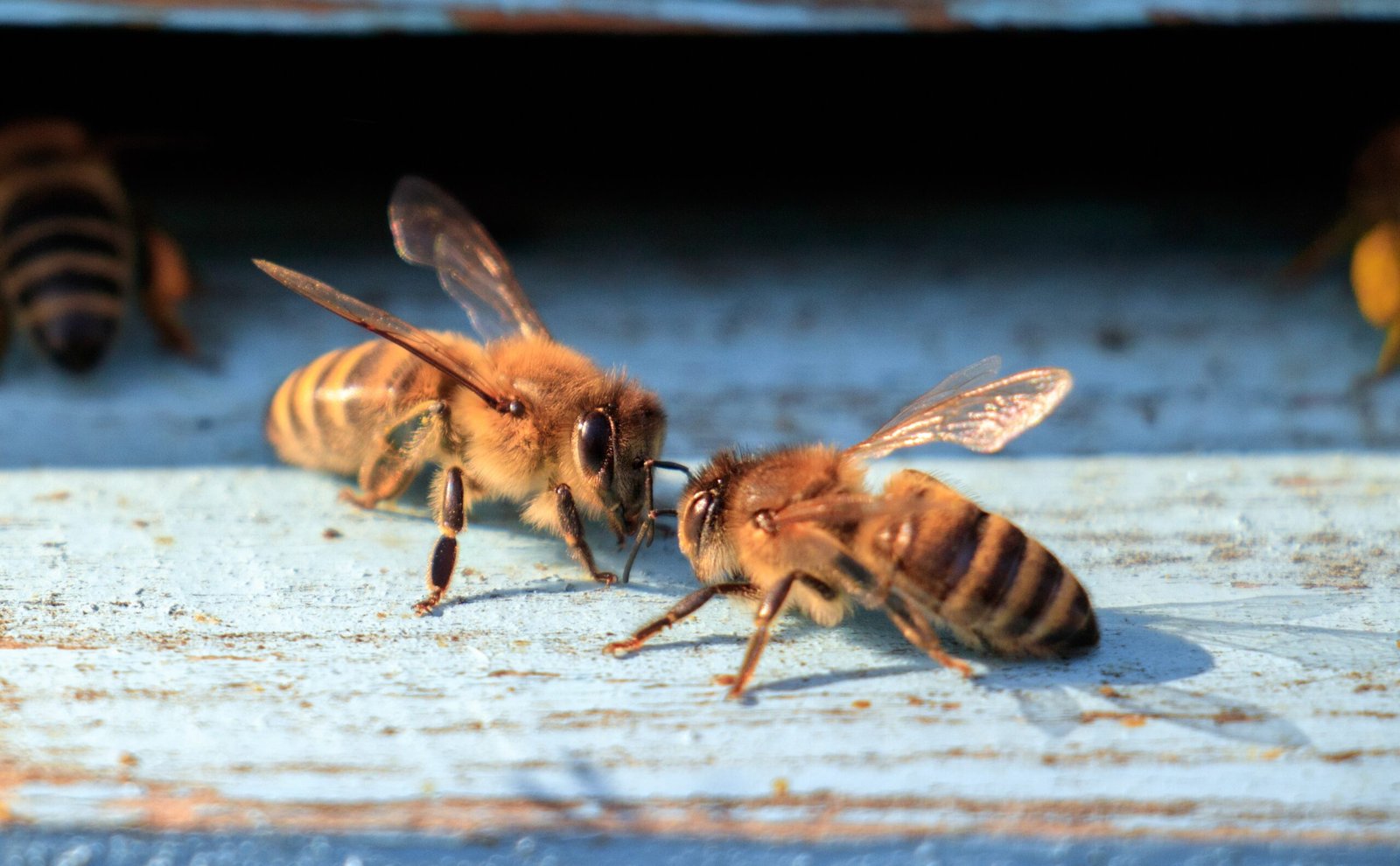
Bees typically focus on gathering nectar rather than attacking humans. If your colony suddenly turns hostile, it is a clear signal that something is wrong within the hive or the environment. Identifying the root cause is the first step toward reclaiming a peaceful backyard or apiary.
Most aggression stems from a defensive instinct rather than random malice. Your honey bees might be protecting their winter stores, reacting to a missing queen, or feeling the stress of a nectar shortage. Understanding these biological triggers helps you manage the colony safely and effectively.
1. Queenlessness: The Lack of a Leader
A hive without a queen is a hive in chaos. The queen produces pheromones that keep the colony calm and organized. When she dies, disappears, or stops laying, the bees lose their sense of direction and become highly defensive.
Signs of a Queenless Hive
You can often hear a queenless hive before you see it. They emit a high-pitched, frantic whine known as a “queenless roar.” Without a queen’s scent to settle them, worker bees feel vulnerable and are much more likely to sting anything that moves near the entrance.
How to Fix Queen Issues
Inspect the brood nest for eggs. If you see no eggs or young larvae, your queen is likely gone. Introducing a new mated queen from a reputable breeder can settle the colony’s temperament within 24 hours.
2. The Impact of Weather and Environment
Bees are incredibly sensitive to changes in barometric pressure and temperature. Like humans, honey bees can get “cranky” when the weather is unpleasant. If you notice a sudden shift in behavior, look at the sky.
Humidity and Impending Storms
Before a storm hits, bees often rush back to the hive to avoid the rain. This creates a high bee density in a small space, leading to irritation. High humidity also makes it harder for them to cure nectar, adding to their stress levels.
Cold and Wind
Windy days make flying difficult and dangerous for foragers. When bees are stuck inside due to wind or cold temperatures, they become restless. Avoid opening your hive on days when the temperature is below 60°F or when gusts are strong.
3. Nectar Deprives: The Hunger Factor
A nectar dearth occurs when there are no flowering plants providing food for the colony. This usually happens during the heat of mid-summer or late fall. When the food source dries up, the bees become protective of the honey they have already stored.
Defensive Foraging
During a dearth, “robber bees” from other colonies might try to steal honey. Your bees will stay on high alert at the entrance to fight off intruders. This heightened state of guard duty often translates to aggression toward the beekeeper.
Supplemental Feeding
To calm a colony during a dearth, provide them with a 1:1 sugar syrup mixture. Giving them a steady food source reduces the “famine” mindset. This allows them to focus on brood rearing rather than defending every drop of honey.
4. Predators and Pests
If your bees are aggressive even when the weather is perfect, they might be under attack at night. Predators can stress a colony to the point that it views every visitor as a threat.
Common Hive Raiders
- Skunks: These animals scratch at the hive entrance and eat the bees as they come out to investigate.
- Raccoons: Their nimble hands can pry at covers or flip over lighter hive setups.
- Wasps and Hornets: In late summer, these predators try to enter the hive to eat larvae and honey.
Protecting the Entrance
Install a robbing screen or an entrance reducer to help the bees defend a smaller area. You can also raise your hives on stands to make it harder for skunks to reach the entrance without exposing their sensitive bellies to stings.
5. Genetic Aggression: Africanized Traits
Sometimes, aggression is built into the colony’s DNA. While most managed bees in North America are gentle Italians or Carniolans, they can sometimes breed with more aggressive wild stock.
Identifying Hot Hives
If your bees chase you for hundreds of yards or start stinging the moment you crack the lid, you may have a “hot” hive. This is common in the southern United States, where Africanized Honey Bee (AHB) genetics are present. These bees have a much larger “alarm zone” than standard honey bees.
Requeening for Temperament
The only permanent fix for genetic aggression is to replace the queen. By killing the aggressive queen and introducing a queen with known gentle genetics, you will eventually replace the entire population. Since worker bees live only about 6 weeks, the hive’s personality will shift quickly.
6. Seasonal Changes and Colony Size
The time of year plays a massive role in how bees behave. A small colony in the spring is usually very gentle because they have little to lose. As the population grows toward the fall, the stakes get higher.
Fall Defensive Behavior
In the autumn, the hive is full of winter stores, and the population is at its peak. The bees know that these resources are all that stand between them and starvation in the winter. Expect your bees to be significantly more protective in September than they were in May.
7. Human Error and Handling Techniques
Often, the bees aren’t the problem—the beekeeper is. Your approach, smell, and movements can trigger a defensive response.
Using Too Much or Too Little Smoke
Smoke interrupts the bees’ alarm pheromone (isopentyl acetate), which smells like bananas. Using a light puff of cool, white smoke calms them. However, using hot, acrid smoke or no smoke at all will leave them agitated and ready to fight.
Clothing and Fragrances
Bees dislike dark, fuzzy textures because they resemble predators like bears or skunks. Always wear a light-colored suit. Also, avoid wearing perfumes or scented deodorants, and avoid eating bananas before visiting the hive, as these scents can mimic alarm triggers.
8. Disease and Parasite Stress
A sick hive is a stressed hive. Varroa mites are the most common cause of colony stress in modern beekeeping. When mite levels are high, the bees are physically weakened and more prone to irritability.
Varroa Mite Impacts
Mites spread viruses that can deform wings and shorten lifespans. Check your mite counts regularly using a powdered-sugar shake or an alcohol wash. Keeping mite levels low is essential for maintaining a healthy, calm colony. You can find detailed treatment guidelines on the Honey Bee Health Coalition website.
How to Handle an Aggressive Colony Safely?
If you find yourself facing a swarm of angry bees, do not swat or run in a straight line. Swatting mimics a predator’s movements and encourages more stings.
The Correct Way to Retreat
Walk away slowly, through the brush or tall grass if possible. The leaves will help break the bees’ line of sight. Get inside a vehicle or a building as quickly as you can.
Working the Hive with Confidence
When you must inspect a mean hive, move with purpose. Avoid jerky movements or dropping frames. Gentle, deliberate actions prevent the bees from feeling as if their home is under attack.
Equipment to Manage Defensive Bees
Having the right gear makes a world of difference when dealing with a difficult colony. If your bees are “zipping” your veil, it’s time to upgrade your protection.
Full Suits vs. Jackets
While a jacket is fine for gentle bees, a full, ventilated suit provides better protection for aggressive ones. Ensure the ankles and wrists are elasticized or tucked into boots and gloves.
High-Quality Smokers
A large smoker that stays lit is a beekeeper’s best friend. Use natural fuel like pine needles, burlap, or wood shavings. A consistent stream of cool smoke is the most effective tool for pacifying a defensive hive.
Conclusion
Dealing with aggressive bees is a challenge every beekeeper faces eventually. By checking for a queen, monitoring the weather, and managing pests such as Varroa mites, you can identify the specific trigger of your colony’s behavior.
Remember that bees are not out to get you; they are simply reacting to their environment. For more information on bee health and management, consult resources like the USDA Honey Bee Research Lab. With patience and the right techniques, you can turn a “hot” hive back into a productive and manageable part of your garden.